
Online defamation is the publication of false statements on the internet that damage a person’s or organization’s reputation. A single post, fake review, or social media accusation can spread to thousands of people within hours, appearing in Google results, Yelp listings, and Reddit threads long after the original damage is done.
The consequences are real: lost clients, withdrawn job offers, emotional distress, and reputational harm that compounds the longer the content stays live. If you’re facing this, you have legal options, and the window to act is shorter than most people realize.
If you’ve been a victim of such attacks, understanding your legal options is crucial. Learn more about expert witnesses in internet defamation cases and emotional distress damages.
What are the Types of Online Defamation?
Online defamation can take multiple forms, depending on the platform, medium, and nature of the false statements. Recognizing the specific type of defamation is essential when determining your legal rights and the most effective response. Below are the primary categories of online defamation, each with unique legal implications and removal strategies.
Libel vs. Slander – What’s the Difference?
While both fall under the broader category of defamation, the distinction is in how the harmful content is communicated:
- Libel: Written or published defamatory statements, typically online or in print.
- Slander: Spoken defamatory statements, which can appear in podcasts, livestreams, or recorded conversations.
Most online defamation cases involve libel, as the content is written and easily shareable. For deeper legal insights, explore our defamation law guide.
Social Media Defamation
Social platforms like Facebook, Instagram, X (formerly Twitter), and LinkedIn are common spaces for defamatory attacks. False claims, doctored images, or misleading accusations can go viral amplifying the reputational damage.
Victims of social media defamation may have legal recourse, especially if the content is untrue, harmful, and widely distributed. It’s critical to preserve evidence quickly and assess the scope of the damage.
Defamation in Online Reviews & Forums
Consumers sometimes post negative reviews that cross the line into defamation making provably false claims that harm a business’s reputation.
Whether on Google Reviews, Yelp, Trustpilot, or niche forums, defamatory reviews can impact trust, revenue, and client acquisition. Businesses often work with defamation expert witnesses to assess the damage and provide testimony if a legal response is required.
Anonymous or Pseudonymous Defamation
Defamation from anonymous accounts or pseudonyms presents legal and investigative challenges. However, it’s still actionable when it causes harm and can be traced through digital forensics.
Our firm provides comprehensive protection against online defamation including investigative support and legal strategies to unmask anonymous attackers.
Role of Cease and Desist Letters
A cease-and-desist letter is often the first legal step. It:
- Clearly identifies the defamatory statement
- Demands its removal
- Offers a window (e.g., 48 hours) before legal escalation
This formal warning can lead to quicker resolution without going to court. For legal precedents, see our article on defamation of character lawsuits, punishment, and legal remedies.
Defamation Per Se vs Per Quod
- Defamation Per Se: Statements harmful on their face (e.g., criminal allegations).
- Per Quod: Context-specific defamation that requires additional explanation to prove harm.
These distinctions impact the legal standards and types of evidence needed.
Can You Sue for Online Defamation?
Yes, and in many cases, you should. A successful defamation lawsuit can stop harmful content from spreading, compensate you for financial losses, and send a clear signal that false statements carry consequences. But winning requires more than having been wronged. Courts require specific elements to be proven, and the quality of your evidence often determines the outcome.
The Four Elements Every Case Must Establish
To bring a viable defamation claim, four things must generally be true:
The statement was false. Opinions, however harsh, are typically protected. The content in question must present false facts as if they were true, “this company committed fraud” is very different from “I had a bad experience.”
It was published to others. The statement must have been shared beyond a private conversation. A Google review, Reddit thread, or Instagram post all qualify easily.
The defendant was at fault. For private individuals, this usually means proving negligence. For public figures, the higher standard of actual malice applies, meaning the person knew the statement was false or acted with reckless disregard for the truth.
It caused real harm. Reputational damage, lost clients, dropped revenue, or documented emotional distress all qualify. Courts don’t award damages for statements that caused no measurable impact.
Public vs. Private Figure: Why It Matters for Strategy
This distinction changes everything about how a case is built. Private individuals, employees, small business owners, students only need to demonstrate negligence. That’s a more achievable bar. Public figures, executives, and celebrities must prove actual malice, which is harder but not impossible with the right digital forensics and expert analysis.
Statute of Limitations: Don’t Wait
Most states set a one-year window to file a defamation claim from the date the content was published. A handful of states allow up to two or three years. The moment you discover defamatory content, document it and seek legal guidance, waiting costs you options.
| State | Limitations Period |
| California | 1 year |
| New York | 1 year |
| Texas | 1 year. |
| Florida | 2 years |
| Illinois | 1 year |
What Actually Wins Defamation Cases
Legal elements get you into court. Evidence wins the case. The most successful defamation claims share a few common factors:
- Documented financial impact: revenue records, lost contracts, client communications showing causation
- Digital forensics: IP tracing, metadata analysis, and platform data that establish who published what, when, and how far it spread
- Expert witness testimony: a qualified defamation expert can calculate reputational and economic damages in a way that holds up to cross-examination and is persuasive to a judge or jury
Courts are increasingly relying on expert witnesses in online defamation cases because the technical complexity: search visibility, SEO impact, social reach, damage quantification is outside the experience of most judges and jurors. An expert doesn’t replace your attorney; they give your attorney’s arguments a credible, data-backed foundation.
Why You Usually Can’t Sue the Platform Itself?
A question we hear constantly: “Can I sue Google or Yelp for hosting this content?”
Almost always, no. Section 230 of the Communications Decency Act (1996) shields platforms from liability for what their users post, meaning your legal claim is against the person who wrote the content, not the site hosting it. Google, Yelp, and Reddit have no legal obligation to remove anything based on your complaint alone.
What they will act on is a court order. Once a judge rules the content defamatory, platforms are required to comply. That’s why getting legal backing isn’t optional, it’s the only lever that actually works.
What Does a Defamation Expert Witness Do?
An expert witness bridges the gap between what your attorney argues and what a judge or jury can actually verify. In defamation cases specifically, that gap is technical, most courts have no framework for evaluating SEO impact, social reach, or revenue loss from a negative search result. The expert provides that framework.
In practice, a defamation expert witness:
- Quantifies financial losses by analyzing traffic data, revenue records, and comparable market benchmarks to produce a damages figure that survives cross-examination
- Documents reach and persistence, how widely the content spread, how long it ranked, how many times it was indexed or reshared
- Produces a written expert report that opposing counsel must rebut, not just dismiss
- Testifies in court when needed, translating technical findings into plain language for a jury
They don’t replace your attorney. They make your attorney’s damage claims defensible with data instead of assertion.
Not every defamation case requires one, but in cases involving significant financial loss, anonymous defendants, or complex digital evidence, an unqualified damages claim is one of the fastest ways to lose a winnable case.
What Damages Can You Claim for Online Defamation?
Defamation damages are more recoverable than many victims realize. Courts recognize three primary categories, and a skilled legal team, supported by a qualified expert witness can build a compelling case for each.
Economic Damages (Direct Financial Loss)
These are the most straightforward to calculate and the easiest to prove with documentation. They include:
- Lost business revenue tied directly to the defamatory content.
- Client contracts that were cancelled or not renewed.
- Job opportunities that were withdrawn after a background check surfaced the false content.
- Decline in website traffic, leads, or sales conversions tied to negative search results
Real outcomes from defamation cases give a sense of scale. A tech entrepreneur whose online reputation was attacked by a pseudonymous user secured a $180,000 verdict after a digital forensics expert identified the content’s origin through IP data. A startup that suffered coordinated review bombing had its SEO losses quantified, a 63% drop in organic traffic, which supported a $95,000 damages award plus an injunction.
Numbers like these don’t materialize without expert analysis. Attorneys argue causation; expert witnesses prove it with data.
General Damages (Reputational and Emotional Harm)
These are harder to put a dollar figure on, but courts consistently recognize them. General damages cover:
- Loss of standing in your professional community.
- Public humiliation or social isolation caused by the false statements.
- Anxiety, stress, and emotional distress documented through therapy records or medical evidence.
- Damage to personal relationships.
Courts in the United States have awarded significant general damages in cases where defamatory content went viral or persisted in search results, even when direct financial losses were modest. The key is documentation, therapy notes, testimony from colleagues, and evidence of the content’s reach.
Punitive Damages (When Intent Is Clear)
In cases where the defendant acted with actual malice, deliberately publishing false content to destroy someone’s reputation, courts may award punitive damages on top of compensatory awards. These aren’t about making the victim whole; they’re about deterrence. Punitive awards in high-profile defamation cases have ranged from tens of thousands to millions of dollars.
The Expert Witness Role in Damage Calculation
This is where many defamation cases succeed or fail. An attorney can argue that your business suffered. An expert witness can prove it, with SEO traffic analysis, revenue modeling, comparable market data, and a damages report that survives cross-examination.
Expert witnesses in defamation cases typically provide:
- Quantified estimates of lost revenue attributable to the defamatory content
- Analysis of search engine visibility loss and its commercial impact
- Reputational harm assessments based on reach, engagement, and persistence of the false content
- Written expert reports and, where needed, courtroom testimony
Without this kind of structured, credible analysis, damage claims often rest on speculation, which opposing counsel will exploit. With it, you have a defensible number tied to real data.
What Happens to Your Search Results While You Wait?
Legal cases take 12–24 months minimum. During that entire time, defamatory content keeps ranking, keeps being indexed, and keeps appearing when someone searches your name.
This is where the most compounding damage happens, and why legal action and ORM need to run simultaneously, not in sequence.
While your attorney pursues removal or a court order, ORM runs in parallel to suppress defamatory URLs in search, monitor for reposts or syndication, and rebuild your search presence. Legal gets the content removed permanently. ORM limits the damage while you wait. Running only one leaves the other problem unsolved.
How to Remove Defamatory Content from the Internet?
Removing defamatory content requires a mix of legal action, platform processes, and online reputation strategies. The longer harmful content stays visible, the more damage it can cause to your credibility and peace of mind.
This step-by-step guide walks you through what to do, from issuing takedown notices to pursuing court orders.
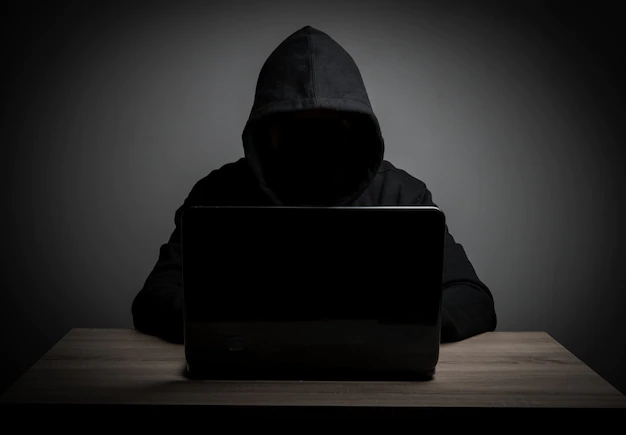
Picture Credits: Freepik
1. Contact the Publisher or Website Owner
Start by identifying the source of the defamatory content and sending a formal takedown request. Your message should include:
- A clear link to the harmful content
- An explanation of why the statement is false
- A direct request for removal
- A deadline for response (e.g., “within 48 hours”)
⚠️ Tip: Always save screenshots and emails. Documentation matters in court.
This first step is often enough to resolve cases without escalation.
2. Use Takedown Tools on Social Platforms
Most major platforms provide legal complaint systems for defamatory content:
- Facebook / Instagram: Use “Report Post” and select defamation or harm
- Google Search, YouTube & other Google products: All Google defamation requests now go through one centralized hub at support.google.com/legal. Select the product (Google Search, YouTube, Maps, etc.), choose “Legal Reasons,” then “Defamation.” Important: Google does not evaluate the truth of content on its own — without a court order, most defamation requests will be denied. A court order is the only reliable path to removal from Google properties.
- Reddit / Forums: Message moderators or file a content report
A note on Google and deindexing
Filing a defamation report with Google does not guarantee removal. Google’s own legal team does not rule on whether content is true or false — that’s a court’s job. What Google will act on is a valid court order declaring content unlawful. Once you have one, Google is legally required to comply.
This is why combining legal strategy with ORM (to suppress defamatory results in the meantime) is so important. If you’re waiting on litigation, reputation management buys you time.
Need help gathering evidence or writing requests? Our expert witness in defamation cases services include legal strategy support.
3. File a Defamation Lawsuit
As a last resort, take legal action. A lawsuit may include:
- Temporary Restraining Orders (TROs) to stop content sharing
- Court-ordered takedown requests to platforms
- Damages claims for emotional distress and reputational loss
Working with digital evidence experts and a qualified defamation expert witness strengthens your case and outcome.
4. Combine ORM Services with Legal Strategy
When content remains online or spreads, you need a coordinated plan:
- Online Reputation Management (ORM): Helps push down negative results
- Legal Strategy: Helps issue cease-and-desist letters or prepare lawsuits
- Monitoring Tools: Track mentions, reposts, and duplicates
We help clients build robust protection against online defamation through this integrated approach.
Case Examples: Real-World Online Defamation
Understanding the real-world impact of online defamation helps highlight how damaging false content can be and how legal and reputation recovery strategies work in practice. Here are two anonymized case studies drawn from our experience in digital reputation management and legal support.
Business Defamation Case – Fake Reviews & Lost Revenue
Industry: Professional Services
Platform: Google Reviews, Yelp
A reputable consulting firm suffered a string of anonymous 1-star reviews alleging fraud and unprofessional conduct. The reviews were traced to a former disgruntled contractor posing as clients.
Impact:
- 23% drop in website inquiries within 30 days
- Loss of two key B2B contracts
- Staff morale plummeted due to public perception
Action Taken:
- We partnered with legal counsel to issue takedown letters
- Filed a court-approved subpoena to identify the reviewer
- Our ORM strategy suppressed the negative content
Outcome:
Within 6 weeks, defamatory reviews were removed, and the client received compensation for business defamation losses.
Personal Reputation Attack – Social Media Smear Campaign
Context: False accusations on Instagram and Reddit
Victim: College applicant and student-athlete
A high-achieving student was accused of academic dishonesty and misconduct in a series of Instagram Stories and Reddit threads—none of which were true. The rumors spread, and the student’s admission to a top university was put on hold.
Action Taken:
- Immediate evidence collection (screenshots, metadata)
- Legal team issued cease-and-desist letters
- We coordinated expert analysis to disprove the claims
Outcome:
The defamatory posts were removed within 10 days. A formal apology and public clarification were published. The student’s admission was reinstated.
This case demonstrates how emotional and reputational harm can occur rapidly online and how swift, coordinated action can reverse the damage.

Picture Credits: Pexels
FAQs on Online Defamation
What is an example of online defamation?
A former employee posts a false Google review claiming your business committed fraud. A competitor creates a fake social media account to spread fabricated misconduct allegations. An ex-partner publishes untrue accusations of criminal behavior on Reddit. In each case, the statement is false, published publicly, and causes measurable harm, the core of a defamation claim.
What counts as online defamation?
A statement counts as online defamation when it’s false, presented as fact rather than opinion, published to a third party, and causes real harm to your reputation. Harsh opinions and negative-but-true reviews are protected speech. “This company scammed me” with no factual basis is not.
Can I sue for defamation online?
Yes. If the content is false, identifiably about you, and caused measurable harm, you have grounds to pursue a claim. You’ll need to act within your state’s statute of limitations, most states allow one year from the date of publication.
What is the average payout for defamation?
There’s no single average, awards vary widely based on the severity of harm, the defendant’s intent, and the strength of your evidence. Documented cases range from tens of thousands to several million dollars. Cases supported by expert witness analysis consistently recover more, because damages are proven with data rather than asserted.
Can I sue someone for anonymous online defamation?
Yes. Anonymous posters can be unmasked through subpoenas and digital forensics. You don’t need to know who they are before filing, a John Doe lawsuit allows the discovery process to identify them.
How long do I have to file a defamation lawsuit?
Most states set a one-year deadline from the date the content was published. A few allow two years. Don’t wait — the clock starts when the content goes live, not when you discover it.

Picture Credits: Unsplash
Our Approach to Online Defamation Resolution
When false content is damaging your reputation, the response needs to be fast, strategic, and coordinated. We combine legal expertise, digital forensics, and online reputation management into a single integrated engagement, so you’re not managing three separate vendors while the clock runs down.
Here’s exactly how our process works.
Step 1: Rapid Case Assessment (Within 48 Hours)
We begin by understanding the full scope of what you’re facing. This isn’t a generic consultation, it’s a structured evaluation that covers:
- Where the defamatory content appears and how prominently it ranks.
- How widely it’s been shared, reshared, or indexed by search engines.
- Whether anonymous attribution adds forensic complexity.
- Which legal remedies are most likely to be effective given your jurisdiction and timeline.
- What ORM interventions can begin immediately to limit ongoing damage.
You receive a clear, actionable brief, not a vague proposal, within 48 hours of first contact.
Step 2: Legal Strategy + Expert Witness Support
Our legal partners and our in-house expert witness capability work in parallel, not in sequence. While your attorney assesses the legal pathway, we’re already building the evidentiary record.
Sameer Somal, Blue Ocean’s CEO and a testifying expert witness with experience in internet defamation, economic damages, and intellectual property, has provided expert analysis in cases handled by law firms across the country. He authors CLE programs with the Philadelphia Bar Foundation and has been qualified as an expert in multiple jurisdictions.
Our expert witness services include:
- Defamation damage quantification (economic and reputational).
- Digital forensics reports documenting the reach and impact of the content.
- Expert reports written to withstand cross-examination.
- Courtroom testimony when cases proceed to trial.
We also draft cease-and-desist and formal takedown letters on your behalf and coordinate directly with platform legal teams to accelerate removal.
Step 3: Online Reputation Restoration
Winning the legal fight doesn’t automatically fix what Google shows when someone searches your name. Defamatory content that’s been removed still leaves traces — cached pages, screenshots shared by others, syndicated versions on secondary sites.
Our reputation restoration strategy addresses all of it:
- Strategic content publication that builds authoritative, positive search presence.
- SEO suppression of defamatory URLs that remain visible during or after legal proceedings.
- Ongoing monitoring with alerts for new posts, reposts, or republication of removed content.
- Coordination with social platforms to enforce court orders or policy violations.
Most clients begin seeing measurable improvement in search visibility within 60–90 days. We track the metrics and report them to you on a regular basis.
Why Clients Choose Blue Ocean Global Technology?
The firms and individuals who work with us typically aren’t looking for just a lawyer or just a PR agency. They need someone who understands all three dimensions, legal, technical, and reputational, to coordinate them without handoffs falling through the cracks.
15+ years of experience in internet defamation and online reputation management
Qualified expert witness with multi-jurisdiction experience and zero disqualifications
Integrated approach, legal, forensics, and ORM under one engagement
Transparent process with clear deliverables and measurable outcomes
We’ve helped executives, professionals, corporations, and public figures recover from defamatory attacks that cost them clients, opportunities, and peace of mind. We can do the same for you.
Protect Your Reputation Now
Don't let online defamation go unchecked. Our legal experts can help you gather evidence, identify anonymous posters, and pursue removal or compensation.