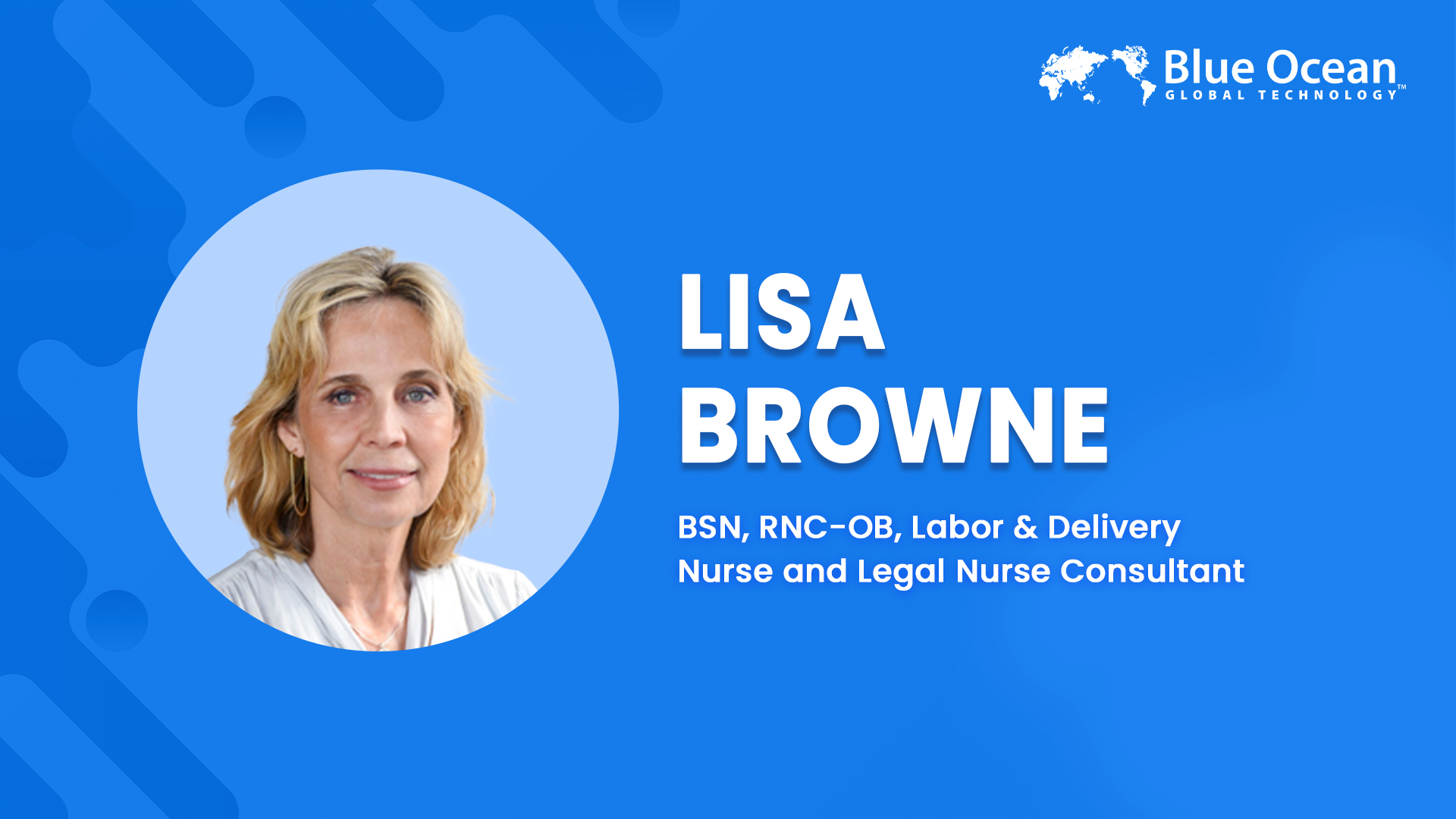
About Lisa Browne:
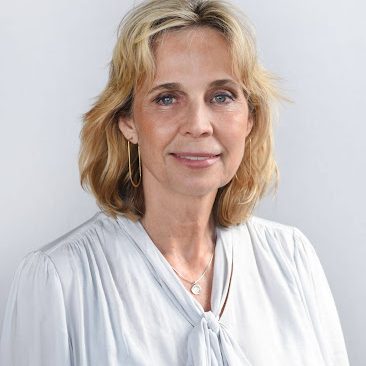
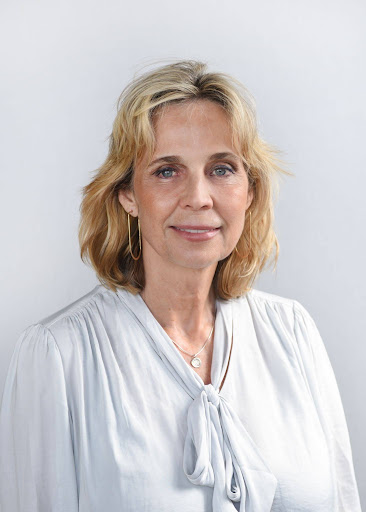
Margaret, known as Lisa Browne, has spent forty-three years in nursing, most of it in labor and delivery. She has worked at Providence Cedars-Sinai Tarzana Medical Center for thirty-five years. She is board certified in her specialty, holding the RNC-OB credential, and has been involved in an estimated seven to eight thousand deliveries over the course of her career. Roughly six years ago, encouraged by a colleague and by her father, a civil engineer who himself testified as an expert witness, she began taking on legal nurse consulting and expert witness work in obstetrical malpractice cases; since then, she has worked on cases across twenty-two states.
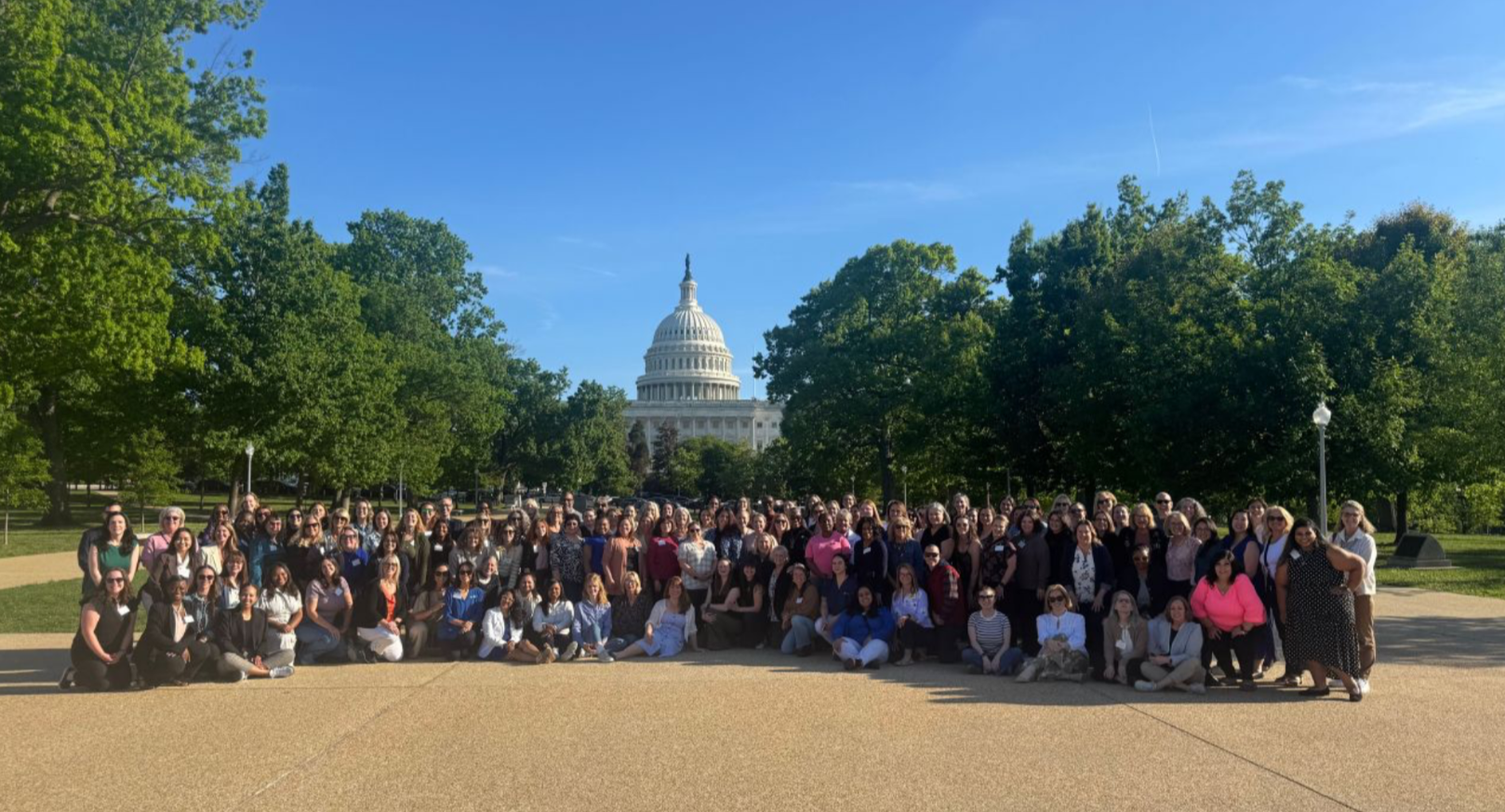
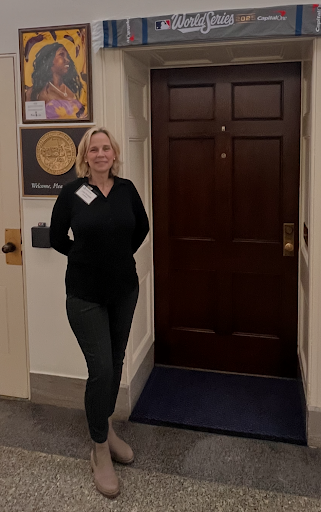
Browne continues to work two twelve-hour clinical shifts each week while devoting the rest of her time to expert work, reviewing medical records and advising attorneys on the standard of care in birth injury cases. She has authored three peer-reviewed articles in nursing journals and is active with the Association of Women’s Health, Obstetric and Neonatal Nurses (AWHONN), where she serves as national chair of the disability special interest group and advocates annually on Capitol Hill for maternal and neonatal health legislation. Outside of her professional work, she enjoys traveling, cycling, cooking, attending concerts with her husband, and spending time with her seventeen-month-old granddaughter.
Blue Ocean: Tell us about your professional journey. What inspired you to pursue a career in nursing and eventually transition into legal nurse consulting, and what continues to fuel your passion for your work today?
Lisa: My interest in birth began when I was fifteen and read a book called Spiritual Midwifery by Ina May Gaskin, which opened my eyes to physiologic birth and the idea of walking a woman through labor with minimal intervention. Around the same time, I delivered nine puppies in my bathroom with my father when I was ten, which remains one of the peak experiences of my life, so I always knew I was drawn to birth even before I decided between veterinary and human medicine. My path into legal work came later, through a coworker who did expert witness work and shared the themes of her cases with me, and through my own father, a civil engineer who testified as an expert for decades and simply told me to tell the truth. What fuels me today is still patient care itself. Every birth is deeply individual, and earning someone’s trust over a twelve-hour shift remains one of the most intimate privileges in the medical profession. On the legal side, I love the detective element of a new case, piecing together what happened and bringing back lessons that might keep another nurse from causing harm.
Blue Ocean: What does a typical day look like for you, and how do you balance your clinical experience with your work supporting attorneys and reviewing cases?
Lisa: There is no single typical day in labor and delivery, which is part of what I love about it. One day I might be managing an induction and repositioning a patient with an epidural, the next I am circulating a cesarean section, and another day I am triaging patients who arrive with everything from preterm labor to uncontrolled hypertension, since we treat a fairly high-risk population. I keep my clinical and legal work fairly separate. When I am at the bedside, I am completely focused on my patient, and a few years ago I moved to part-time status, working two twelve-hour shifts a week, which leaves the rest of my week for expert work. I have simply accepted that my laptop travels everywhere with me, including on vacation, so I can respond when something needs my attention.
Blue Ocean: Which emerging trends in nursing, maternal healthcare, or legal nurse consulting most excite you, particularly those that may shape the way professionals approach patient care and medical-legal matters?
Lisa: Artificial intelligence is everywhere right now, from technology that helps review fetal monitoring strips to the broader question of how it will eventually be used in the legal and expert witness space. I started my career with paper charts and handwritten notes we had to decipher among ourselves, so the shift to electronic health records alone has been transformative, and I expect the next wave of tools, including emerging technology for monitoring fetal oxygenation in utero, to be genuinely groundbreaking. I am equally excited by a return to physiologic birth techniques which use movement and positioning to help the baby descend in the pelvis. And perhaps the biggest shift I have seen across four decades at the bedside is the move toward real shared decision-making with patients, who now have far more say over their own care than when I started, which has let nursing lean further into its role as patient advocate.
Blue Ocean: Can you walk us through a particularly challenging case you’ve handled and explain how your experience and approach helped you navigate it?
Lisa: One of the most difficult cases I have worked on involved a birth injury claim in a state with an unusually long statute of limitations, filed against a small rural hospital. The records arrived in pieces, starting with a single fetal monitor strip covered in handwriting I had to decipher almost like a foreign script, followed by a slow trickle of additional records, most of them handwritten and copied from an old trifold labor record. Piecing together a coherent picture from a hybrid mix of printed and handwritten documents, often redundant and poorly organized, took real patience; it reinforced for me how essential it is to read every single page of a record rather than skim for the obvious details.
Blue Ocean: You’ve built a career around both patient care and supporting attorneys. How do you continue to stay current and maintain high standards in an ever-evolving healthcare and legal environment?
Lisa: I maintain my RNC-OB board certification, which requires a set number of continuing education hours every three years, and I find that coursework genuinely rigorous and evidence-based. I volunteer extensively with AWHONN, the Association of Women’s Health, Obstetric and Neonatal Nurses, and attend their multi-day conferences, which bring in speakers from across the country presenting current research. On my days off, I read nursing and legal journals, and I have also published three peer-reviewed articles, which was demanding but genuinely rewarding work. I even watch trials for fun, since observing a skilled expert witness on the stand teaches me a great deal about presentation and thoughtfulness.
Blue Ocean: What core values or principles do you believe every great nurse and healthcare professional should uphold, regardless of their area of practice?
Lisa: Nursing operates under a formal code of ethics, and a few principles within it speak to me most directly: respect for every human being, compassion, and advocacy. Advocacy in particular is at the heart of nursing, since we work for the patient rather than for the physician, and we are also called to advance the profession through policy and legislation. Treating every person with dignity, regardless of their circumstances, and caring for them holistically rather than just clinically, is the principle that guides nearly everything I do.
Blue Ocean: What are some common misconceptions people have about nursing, medical records, or the role of a Legal Nurse Consultant?
Lisa: One persistent misconception, reinforced by how nurses are sometimes portrayed on television, is that nurses simply work for and defer to doctors. In reality, nursing has its own education, training, and body of research, and in obstetrics especially the relationship with physicians is genuinely collegial. Nurses are at the bedside around the clock, and patients are often surprised to learn how much of their labor and delivery care is managed by the nursing staff. As for medical records, they rarely look anything like the clean, organized version people imagine. They are often redundant, inconsistently formatted, and full of small details buried in progress notes that can meaningfully change the picture of a case. And people are often surprised to learn that a legal nurse consultant does not advocate for either side in a case. My role is closer to a neutral umpire calling balls and strikes against the standard of care, nothing more.
Blue Ocean: What distinct value do you bring to attorneys and their clients, especially when helping them understand complex medical records or high-stakes healthcare matters?
Lisa: I think my distinct value comes from still being active at the bedside after four decades of nursing. I can speak to current clinical practice because I am living it, not recalling it from years ago, and I have likely been involved in somewhere between seven and eight thousand deliveries over my career. I have also trained and oriented a great number of new nurses, which has sharpened my ability to break down complex clinical concepts into language a jury, a family member, or anyone unfamiliar with obstetrics can genuinely understand.
Blue Ocean: How do you maintain emotional and psychological resilience when working with sensitive medical circumstances and high-pressure cases?
Lisa: Labor and delivery carries misconceptions of its own, that it is uniformly joyful, when in reality that is not always the case. As national chair of the disability special interest group for AWHONN, I have been working to build resources around resilience and trauma-informed care for birth workers, an area our profession has historically underserved. Nurses move from a difficult outcome straight into the next admission with almost no built-in support, which takes a real toll, and research suggests a meaningful percentage of obstetric nurses carry symptoms of secondary trauma. On the legal side, testifying or being deposed is genuinely nerve-wracking, so I lean on mindfulness and breathing techniques, treating a deposition almost as practice staying present and listening fully to a question before responding. Having a supportive family and trusted colleagues to debrief with also matters enormously.
Blue Ocean: What advice would you offer to aspiring nurses and healthcare professionals who are considering a career that combines clinical experience with the legal field?
Lisa: I would absolutely encourage anyone considering nursing to pursue it. There is rarely a dull day. The field offers so many different paths to make a genuine impact, which matters even more given how many nurses the bedside has lost during the pandemic. For anyone interested in legal nurse work specifically, I believe every nurse would benefit from reviewing at least one case a year, since it teaches you so much about your own documentation and practice and can ease some of the fear around malpractice litigation. Joining a nursing organization and networking actively matters enormously too. Many of my own cases have come through connections with other legal nurse consultants, and I genuinely enjoy mentoring newer expert witness nurses as they prepare for their first deposition.
Blue Ocean: What hobbies or interests do you enjoy outside of nursing and your professional work?
Lisa: I love to travel and hope to visit even more countries in the years ahead. I ride a pedal-assist electric bike around my town on trails where I regularly see streams, birds, and the occasional coyote. My husband and I enjoy going to concerts together, and I like experimenting with new recipes in the kitchen. One of my favorite things, though, is simply spending time with my seventeen-month-old granddaughter, playing music and dancing around with her.

Blue Ocean: Is there a guiding principle, philosophy, or quote that has significantly influenced your career and life?
Lisa: I maintain a beginner’s mind in everything I approach, staying open and teachable rather than assuming I already understand how something works. I also make a point of regularly doing things that scare me, both in my expert work and elsewhere, because avoiding challenge is ultimately self-limiting, and there is nothing quite like the feeling of coming out the other side of something difficult. And above all, I try to treat every patient as though they were a loved one, the same way I would want someone to treat my own family.
Conclusion
Margaret Browne’s four decades at the bedside and six years in legal nurse consulting are grounded in the same instinct, a deep commitment to advocacy and to treating every patient and every case with equal care. That instinct carries through her clinical work and her legislative advocacy alike, and it shapes how she mentors the newer expert witness nurses coming up behind her. Her guiding message is simple: stay teachable and stay curious, and never stop treating people the way you would want your own family treated.
Do you have a personal or professional story that can inspire other people into becoming the best version of themselves?
You are welcome to share your journey with our audience.