Defamation lawyer NYC services assist individuals facing false statements, digital attacks, or reputation damage. Most online resources repeat basic legal definitions and outcomes but offer minimal practical advice or insight on managing defamation, especially for digital or employment cases.
This guide clarifies your rights under New York defamation law, details legal claim procedures, and explains available remedies for both online and workplace scenarios. Readers will understand how Blue Ocean Global Technology supports clients with proven digital reputation management and defamation response expertise.
Understanding Defamation in New York: Libel, Slander, and Key Legal Principles
A solid understanding of New York defamation law enables individuals to evaluate their claims and seek appropriate remedies for harm to reputation.
What is defamation, and how is it defined by New York law?
Defamation in New York involves a false statement presented as fact that harms another’s reputation. Libel refers to written or published defamatory statements, while slander involves spoken statements. To prove defamation, a plaintiff must show a false statement was communicated to a third party and resulted in harm. Real-world examples include false online business reviews, untrue workplace rumors, or misleading media publications.
What are the main types of defamation (libel and slander)?
Libel and slander differ based on how the statement is communicated. Libel is defamation in written or digital form, such as online posts or news articles. Slander covers spoken defamatory remarks, often occurring in personal or workplace settings. False accusations are actionable if they meet legal thresholds in New York, applying equally to digital, workplace, and public forums.
Which legal terms do you need to know when evaluating a defamation claim?
Actual malice is a standard that applies when the person defamed is a public figure, showing the statement was made with knowledge of falsity or reckless disregard. In legal proceedings, reputation damage is assessed by examining the statement’s impact on personal, professional, or financial standing.
Common Scenarios and Case Examples
Defamation claims arise in various settings, and understanding their context is crucial for determining if legal action is appropriate.
- Defamation in the Internet Age, such as posts on Facebook, X, or Google Reviews
- Defamation in Employment, involving false accusations at work that affect career opportunities
- Defamation, Slander, and Libel in traditional media channels
- False Accusations impacting personal or business reputation
- Case outcomes from New York courts illustrate successful claims and legal standards (see LexisNexis for public results)
Taking Legal Action: Proving, Defending, and Remedies for Defamation Claims
Navigating New York defamation claims demands familiarity with required evidence, defenses available, and remedies the law provides.
How do you prove defamation in New York?
A strong defamation claim requires proof of a false statement, publication to a third party, fault, and resulting damages. Digital evidence can be preserved using tools such as the Internet Archive or page-capture platforms. The litigation process generally involves filing a complaint, discovery, possible motion practice, and trial, following procedural guidelines clarified by a 2024 Columbia Law Review article on defamation litigation trends in New York.
What defenses can be used against defamation claims?
Recognized defenses in New York include truth, statements of opinion, and privileged communications, with the state’s approach generally consistent with national standards. Individuals facing a false claim should preserve all communications and seek legal consultation.
What compensation and remedies are available for defamation?
Damages in New York defamation cases typically include compensation for actual losses, reputational harm, and sometimes punitive awards, depending on the nature of the defamatory act. Online, workplace, and personal reputation cases each require tailored remedies, and the process to recover damages involves evidence of harm and financial loss, as supported by a 2023 NYU School of Law report on reputational damages and verdict statistics.
Digital Tools and Platforms for Monitoring/Protecting Reputation
Proactive technology use can alert individuals and organizations to defamatory content and help document evidence for legal action.
- Google Alerts lets users monitor new mentions of their name or organization
- Mention or BrandYourself provide active reputation management tracking and reports
- Social media sites, including Facebook and X, offer built-in procedures for reporting defamatory content
- Blue Ocean Global Technology assists in securely collecting and timestamping digital evidence for future legal proceedings

Finding and Choosing the Right Defamation Lawyer in NYC
Choosing experienced legal counsel ensures thorough assessment, strategic action, and the best chance for resolving defamation matters favorably.
How do you select the best defamation lawyer or law firm?
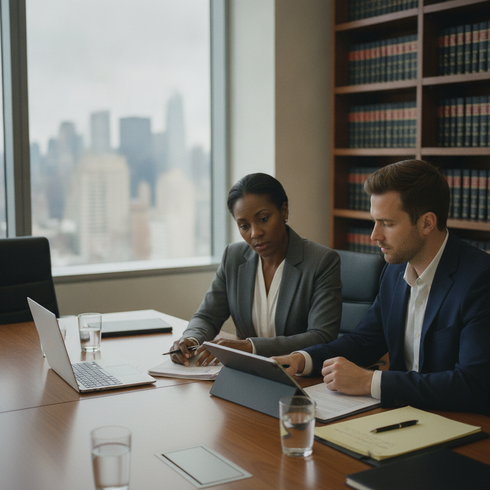
Evaluate a defamation attorney NYC by reviewing their experience, results, and understanding of digital and traditional defamation. Verification of credentials and past cases is essential, and seeking a firm with recognized online defamation lawyer capability can be valuable.
Where can you find top-rated New York City defamation lawyers?
Specialized defamation lawyers and firms in New York City often offer more focused expertise and keep current with emerging trends and case law. Top-performing firms are distinguished by proven track records and experience across various defamation claims, both in court and through negotiated settlements.
What do initial consultations and legal services generally include?
During the first consultation, expect a review of your documentation, a discussion of the alleged defamation, and a preliminary assessment of case viability and potential legal strategies. Defamation lawyer costs are typically structured as flat-fee consultations, hourly rates, or retainer agreements, depending on case complexity and services required.
Best Practices When Contacting a Defamation Attorney
Preparation supports prompt, effective consultation and maximizes the potential for a strong legal outcome.
- Prepare documentation including screenshots and correspondence
- Create a timeline detailing alleged defamatory events
- List names of relevant contacts and potential witnesses
- Bring questions about process, costs, and outcomes
- Use encrypted email or secure platforms for sharing sensitive information
Conclusion
Defamation claims in New York require prompt documentation, legal knowledge, and expert support. Plaintiffs must demonstrate false statements, publication, and harm, while available defenses include truth and privilege. Digital tools and precise evidence gathering protect and strengthen claims. Comprehensive legal and strategic guidance from trusted partners allows individuals and businesses to navigate defamation risks effectively. Blue Ocean Global Technology delivers specialized expertise to guide, protect, and restore reputations impacted by defamation.
Get Legal and Reputation Support
Work with Blue Ocean Global Technology to handle defamation cases swiftly and effectively while protecting your corporate image.
Frequently Asked Questions
What is the statute of limitations for defamation lawsuits in New York?
In New York, the statute of limitations for defamation is generally one year from the date of the allegedly defamatory statement. Acting quickly ensures evidence is preserved and legal rights are maintained.
How can I protect myself from future online defamation?
Regular monitoring using tools like Google Alerts, strong privacy settings on social platforms, and consulting with reputation management professionals can help prevent and swiftly address future incidents.
Can someone be sued for defamation over opinions?
Not typically—defamation claims require a false statement of fact. Opinions, if clearly stated as such and not implying undisclosed facts, are generally protected under the law.
What should I do if I am falsely accused at work?
Document the accusation, report it to human resources, and consult a legal professional experienced in employment-related defamation to assess your legal remedies.
How much does a defamation attorney in NYC typically cost?
Costs vary based on complexity, attorney experience, and the nature of your case. Some attorneys offer flat fees for consultations, while others may charge hourly or accept retainer agreements for ongoing representation.