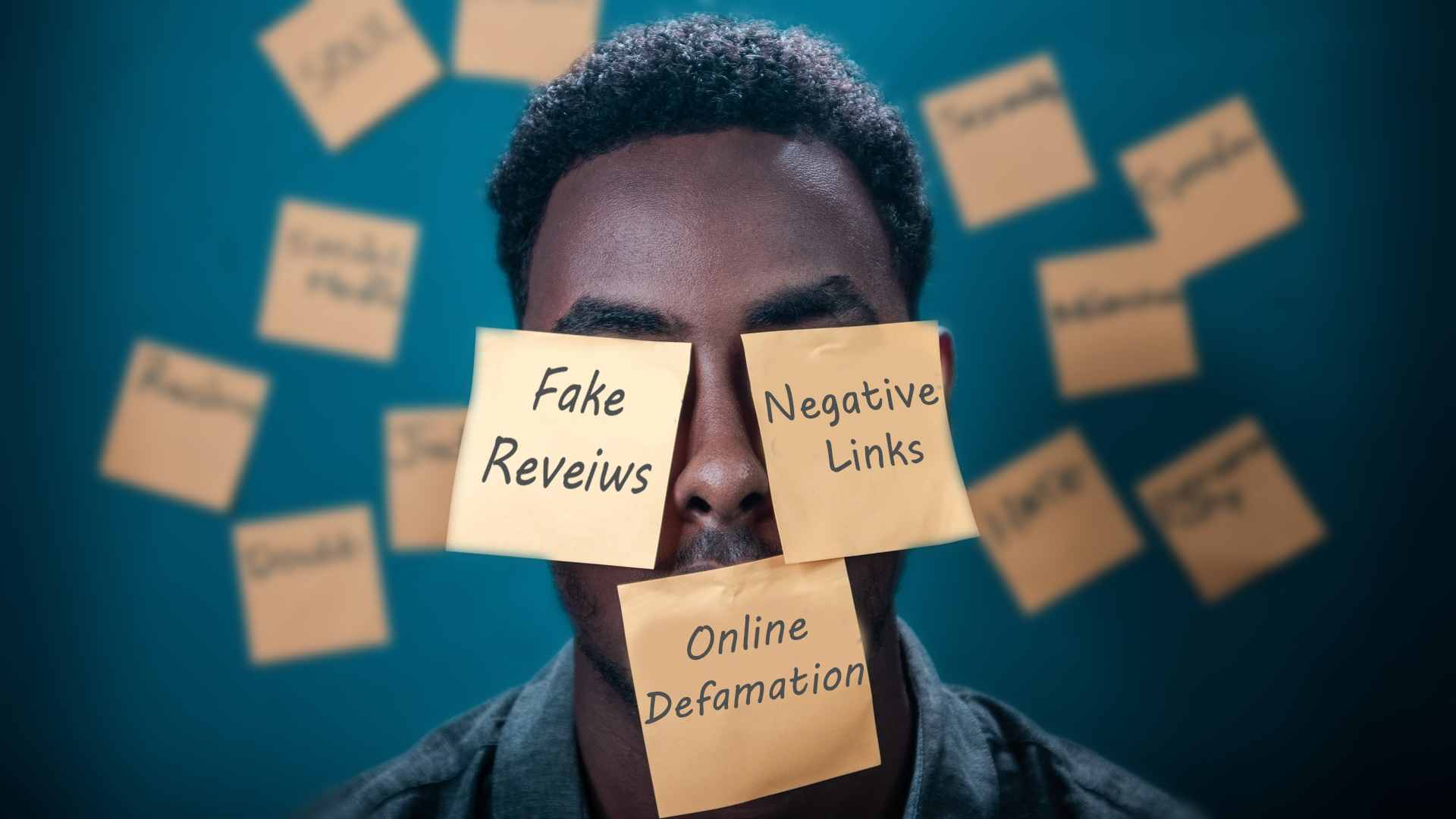
Building and maintaining a brand’s reputation takes a lifetime, and all your hard work can be jeopardized if a negative article or review about your company is the first result that pops up in a Google search. Negative information refers to any online content—such as critical reviews, unfavorable news stories, negative social media posts, or damaging comments—that undermines trust, credibility, or esteem in the eyes of your audience.
Brands have tried to manage their images since the advent of media, but the Internet and the dominance of one search engine have made maintaining public opinion and a stable online presence incredibly challenging. To be clear, removing personal online content or reviews from Google entirely is not possible. Instead, your goal should be to address and mitigate the damage such items cause. That can be done through the strategies of online reputation management.
A 2025 survey by ReviewTrackers found that 94 percent of consumers say they will avoid a business because of a negative review. This underscores why reputation management must be proactive and ongoing.
This article will explain why Google surfaces negative information in its results and why the best tactic is not removal but displacement—burying damaging content by promoting new, positive content in search engine rankings.

Why Negative Content Still Ranks High?
Below are the core forces that let negative articles dominate search results, along with new twists not fully explored in your original summary.
1. Google’s intent-sensitive signals (QDD, QDF, and more)
Query Deserves Freshness (QDF)
Google still uses the notion of “freshness” to prefer more recent content when a topic is trending or evolving. If your brand is suddenly in the news for a scandal, that negative content is “fresh,” and Google will often prioritize it.
Query Deserves Diversity (QDD) + related signals
Google also seeks viewpoint diversity. If there’s not much countercontent (positive or neutral), the negative perspective can dominate by default.
Over time, Google’s algorithms have grown more nuanced. They now look at user signals (clicks, dwell time, pogo-sticking) and “engagement quality” to decide which versions deserve visibility.
2. Clicks, presentation bias, and “attractiveness” of negative headlines
Click probability & predictive models
Google increasingly uses predictive models to estimate which search results users are likely to click, based on historical behavior. Higher click probability gives a ranking boost. Negative or sensational titles often generate more clicks, giving them an algorithmic edge.
Presentation bias
Even beyond position bias (rank-1 gets more attention), users are biased toward results with more compelling or alarming titles. Experiments show “attractiveness” (how enticing a snippet looks) can inflate click rates.
Furthermore, outlier results, ones that starkly differ from others in tone or presentation, tend to draw disproportionate attention.
3. Network reinforcement and content “topic density”
Once a negative article appears on a reputable site, it tends to get syndicated, referenced, and echoed by others. The more it is repeated, the stronger the web of interlinked evidence becomes, which signals to search engines that it’s a legitimate, widely recognized fact.
Your original point about “someone trusted writes it, others amplify” still holds. But nowadays, algorithms view the density of related mentions, entity associations, and cross-linking as signs of authority.
4. Brand authority, E-E-A-T, and “familiar names” bias
Google places a heavy weight on expertise, experience, authority, and trustworthiness (E-E-A-T). Well-known media outlets already have domain authority, so when they publish negative content, it gets more weight.
Also, algorithms appear to favor “known names” in their AI summaries and overviews (where Google tries to give an answer box). Smaller or newer sources may struggle to break in.
That means negative content from an established outlet may outrank a superior counterargument published on a lesser-known site.
5. Google’s answer/summary features
Lately, Google has been more aggressive about using AI Overviews (aka “answer boxes” or summary panels) above traditional organic results. Those often reference major, established outlets.
If Google’s summary leans toward the negative article (because of brand weight or high clicks), it can further drown out your own content, making the negative version more visible by default.
6. Accuracy is not a direct ranking signal
Google does not explicitly detect factual accuracy or truth. Instead, it uses proxies like user engagement, domain authority, E-E-A-T signals, internal signals, and external signals.
Thus, well-crafted but false or misleading negative content can still outrank truthful, well-researched rebuttals if it minimizes bounce rates, gets clicks, accumulates endorsements, and is from a strong domain.

Is Removing Negative Info from the Internet Possible? How?
Removing or suppressing negative content is challenging but not impossible. In many cases, unpublishing or legal takedown requests (for defamation, copyright violation, or privacy breach) may succeed. More often, companies combat negative content by publishing high-quality, positive content to push the negative items down in search. The best defense is proactive reputation management long before a crisis erupts.
According to BrightLocal’s 2025 survey, just 42 % of consumers trust reviews as much as personal recommendations, down from 79 % in 2020.
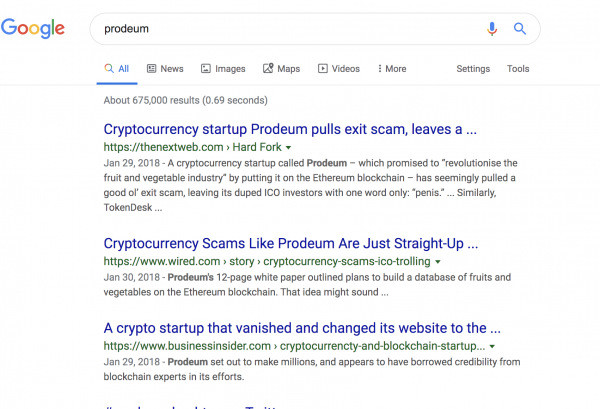
Image Credits: Blue Ocean Global Technology
What Types of Negative Information Can Be Removed?
Different types of online content require different removal strategies. Understanding the category of content helps determine the fastest and most effective path forward.
Content that may qualify for removal includes:
- False or defamatory statements published on websites or blogs
- Fake or policy-violating online reviews
- Unauthorized use of copyrighted images, videos, or written material
- Personal information such as home addresses, financial details, or identification numbers that violate privacy policies
- Impersonation accounts and fake social media profiles
- Non-consensual intimate images or other content prohibited by platform policies
- Outdated or inaccurate information that may qualify for removal under applicable privacy laws in certain jurisdictions
Each platform follows its own review process and evidence requirements. In some cases, removal requests can resolve the issue directly with the publisher. In others, legal notices, copyright claims, privacy requests, or search engine de-indexing may be more appropriate. When removal is not feasible, long-term reputation management strategies can reduce the visibility of harmful content by strengthening authoritative, positive search results.
How to Remove Negative Information From the Internet
Removing negative information from the internet starts with identifying where the content appears, what type of content it is, and whether it violates platform policies or applicable laws. The most effective solution may involve direct removal, a legal request, search engine de-indexing, or online reputation management, depending on the situation.
Not all online content can be permanently removed. False statements, copyright infringement, privacy violations, impersonation, and content that breaches a platform’s policies often have a clear path to removal. When removal is not feasible, Online Reputation Management for Philanthropists can help protect public trust and strengthen a positive online presence through strategic reputation management.
If harmful content appears on multiple websites, evaluate each source separately. Removing content from one platform does not automatically remove copies from other websites or search engines.
Remove Negative Information from Google
Google removes certain search results that violate its policies, but it does not remove most lawful content simply because it is negative.
Google may approve removal requests for:
- Personally identifiable information, such as Social Security numbers or financial account details
- Non-consensual explicit images
- Doxxing content
- Copyright violations through a Digital Millennium Copyright Act (DMCA) request
- Certain court-ordered removals
If Google removes a search result, the original webpage may still exist online. Removing the content from the source website is the most effective long-term solution because Google will continue to index publicly available pages.
Remove Negative Information from Reddit
Reddit allows users to report posts and comments that violate its Content Policy, but it generally does not remove lawful opinions or discussions.
Content may qualify for removal if it includes:
- Harassment
- Threats
- Doxxing
- Identity impersonation
- Non-consensual intimate images
- Copyright infringement
If a Reddit post does not violate Reddit’s policies, contacting the original poster or subreddit moderators may help resolve the issue before considering legal action or reputation management.
Remove Negative Information from Facebook
Facebook removes content that violates the Meta Community Standards, but it typically does not remove posts solely because they present negative opinions.
Facebook may remove:
- Fake accounts
- Identity impersonation
- Harassment
- Hate speech
- Privacy violations
- Copyright infringement
- Non-consensual intimate images
Businesses can also report fraudulent business pages, fake reviews, and policy-violating content through Meta’s reporting tools.
Remove Negative Information from LinkedIn
LinkedIn removes content that violates its Professional Community Policies and helps users report fake accounts, impersonation, and abusive behavior.
LinkedIn may remove:
- Fake profiles
- Identity impersonation
- Harassment
- Copyright violations
- Unauthorized use of personal information
- Content that violates LinkedIn’s Professional Community Policies
If harmful content does not qualify for removal, strengthening your LinkedIn profile with authoritative professional content can improve branded search results and increase the visibility of accurate information.
Remove Negative Information from X
X reviews reports involving impersonation, private information, abusive behavior, copyright infringement, and other violations of its platform policies.
Content that may qualify for removal includes:
- Fake accounts
- Doxxing
- Private images
- Copyright violations
- Violations of X’s authenticity policies
Negative opinions or criticism that comply with X’s policies usually remain online unless they violate applicable laws.
Remove Negative Information from YouTube
YouTube removes videos that violate the YouTube Community Guidelines or infringe on legal rights such as copyright or privacy. In cases involving YouTube libel or defamatory content, removal may also be possible when the content meets applicable legal or platform requirements.
Removal requests commonly involve:
- Copyright claims
- Privacy complaints
- Court-supported defamation claims
- Identity impersonation
- Non-consensual intimate content
If a video cannot be removed, publishing authoritative content across trusted websites, news outlets, and social platforms can help reduce its visibility in branded search results over time.
Choose the Right Removal Strategy
The best content removal strategy depends on where the content appears, why it was published, and whether it violates platform policies or applicable law.
| Content Source | Best Initial Action |
|---|---|
| Google Search | Remove the original webpage first, then request Google to update its index if eligible. |
| Report the content or contact the subreddit moderators. | |
| Report content through Meta’s Community Standards process. | |
| Report fake profiles, impersonation, or policy violations. | |
| X | Report content that violates X’s platform policies. |
| YouTube | Submit a copyright, privacy, or policy-based removal request. |
If platform reporting does not resolve the issue, legal remedies, website owner outreach, search engine de-indexing, or professional online reputation management may provide the best path forward. Choosing the correct strategy early can save time, improve the likelihood of removal, and help restore your online reputation more effectively.
Conclusion
Removing negative content from the Internet is crucial in today’s complex online landscape. While the Internet has made reputation management more challenging, it also offers powerful tools for companies to engage with customers and protect their image. No business wants negative stories to be the first result in a Google search. Having a proactive plan to mitigate such risks—whether by removing harmful links or pushing positive content—is essential. Partner with a reputation management company to anticipate threats and let experts handle the response efficiently.
Frequently Asked Questions (FAQ)
What is the best way to remove negative information from the internet?
To remove harmful content, first contact the publisher or site owner and request removal or correction. If that fails, use Google’s removal tools or legal options to take down false or defamatory material. You may also work with online reputation experts to suppress negative links through positive SEO.
Why is removing negative content important for lawyers?
Negative content can damage credibility and erode client trust. Since most clients research lawyers online, harmful information can deter new business. Removing or addressing such content preserves reputation and professional integrity.
How to remove my information from the internet?
Use Google’s personal information removal tools and opt out of data brokers like Spokeo or MyLife or leverage professional services.
How can I remove negative information or fake reviews?
Report fake or defamatory reviews to the platform for removal and provide evidence if possible. Consistently encourage satisfied clients to share authentic feedback to outweigh false claims. Reputation management firms can assist in minimizing the impact of persistent or damaging reviews.
Removing Negative Content Online Is One of the Simplest Ways to Restore Your Online Reputation.
Get in Touch With Us Today to Start Repairing Your Reputation!