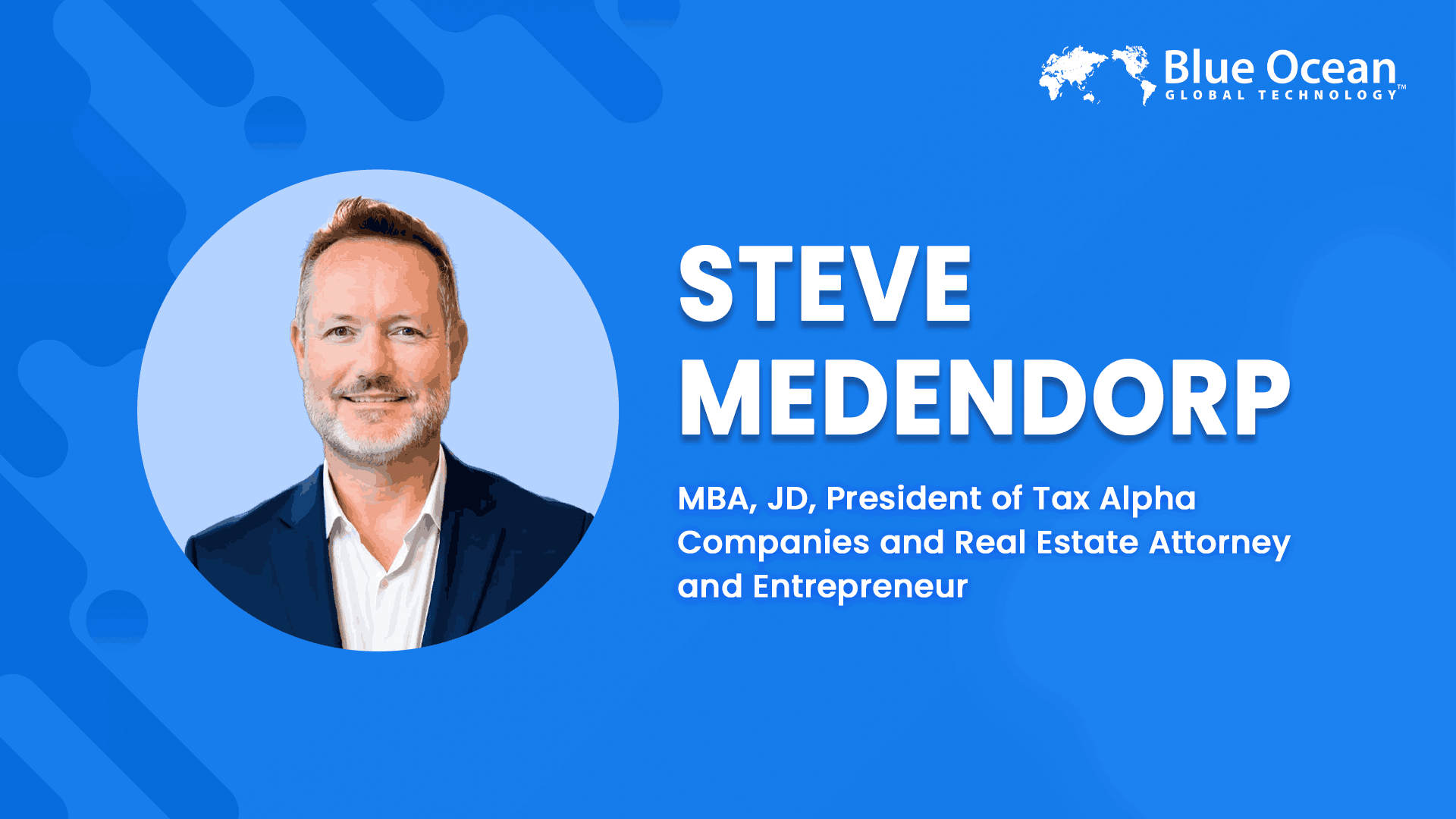
About Steve Medendorp
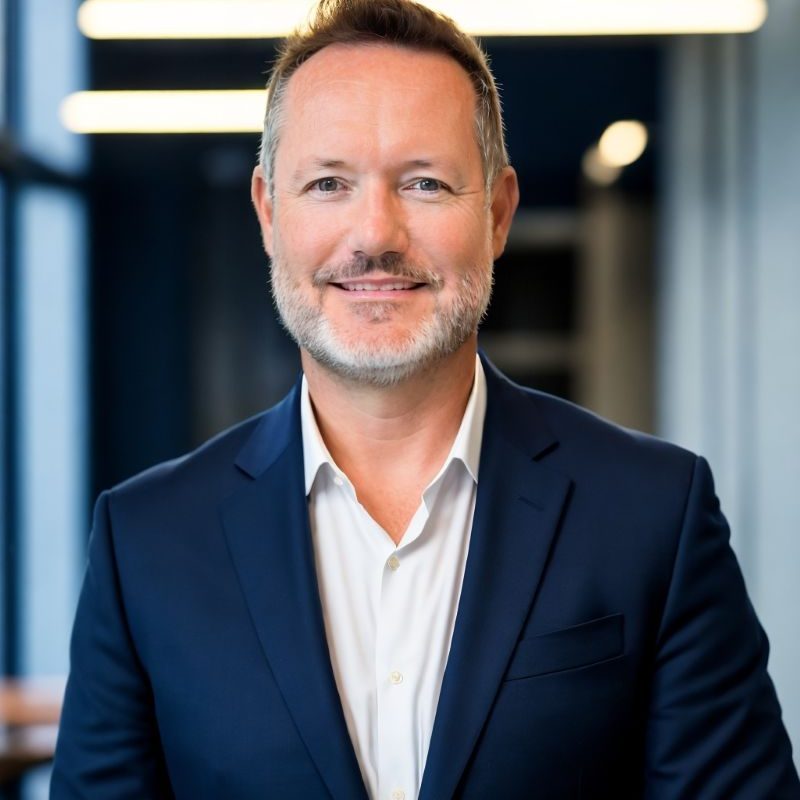
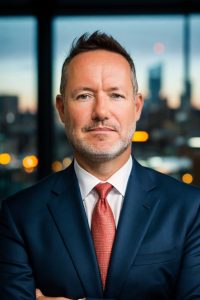
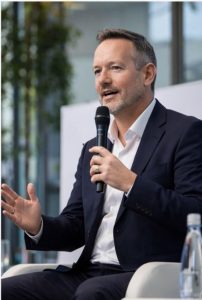
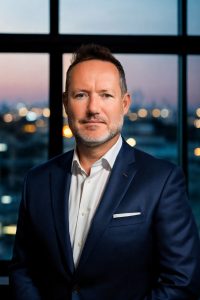
As President of Tax Alpha Companies, Steve Medendorp, MBA, J.D., is responsible for the overall management and success of the company’s operations, client relationships, and sales. Steve has 20+ years of experience as a practicing attorney, with particular expertise in title and real estate matters. He is currently a founding shareholder of Medendorp Law, PLL, and Broker/Owner of Florida Realty Enterprises. His former executive experience includes serving as COO of a real estate investment company, President and owner of a title insurance agency, EVP and co-owner of a pharmaceutical and laboratory company, and SVP and Corporate Counsel for a national title insurance company.
Steve has a diverse business and legal background. Over the course of his career, he has worked in different capacities within the real estate industry, including law, government takings, title insurance, acquisition, development, contract negotiation, and construction management.
Steve holds a BBA from Georgia Southern University and an MBA and J.D. from Florida State University (FSU). He was admitted to the Florida Bar in 2003. He is based in Tampa, Florida, and is married with two sons. Outside of work, he enjoys the Florida weather wholeheartedly on his family’s boat and cheering on his college football team, the FSU Seminoles.
Blue Ocean: Can you walk us through your professional journey and experiences that led you to integrate legal practice, construction management, and executive leadership within the real estate industry?
Steve Medendorp: I grew up around industrial construction, which meant travel and exposure to different cultures from an early age. I was born in Iran and spent time living in South America and other places. That upbringing gave me an appreciation for how industries operate across regions and how people and businesses adapt under different conditions.
I began working in construction and industrial projects, but pursued a business degree with an emphasis on entrepreneurship, followed by a law degree and an MBA, also focused on entrepreneurship.
After graduating, I joined a law firm focused on construction-related matters, including work tied to industrial projects and international clients. From there, I was recruited into the real estate world at a time when Florida was expanding rapidly. I moved into investment-based real estate and eventually became an owner and COO of a group of related companies—spanning real estate, mortgage and lending, property management, title services, and later a building company and a residential insurance business.
When the market became uncertain, I shifted back into legal practice more actively. That experience reinforced a lesson I’ve learned repeatedly: you gain more understanding from failure than from success. I’ve continued to pursue entrepreneurial ventures across multiple industries—real estate, pharmaceuticals (including sterile injectables and lab operations), consulting for construction and manufacturing companies, medical device sales, and product development. The common thread throughout has been entrepreneurship, adaptability, and a commitment to staying grounded, especially in the moments when things go exceptionally well.
Today, my primary focus is working with Matt Chancey at Tax Alpha Companies. I’m drawn to leaders who don’t need to dominate a room but who stay curious, keep learning, and lead with humility. That’s the kind of environment where strong relationships and long-term results are built.
Blue Ocean: What does a typical professional day look like for you?
Steve Medendorp: My days are anything but typical. Most weekdays include at least one recurring meeting, and my mornings are often centered around relationship-building, particularly with attorneys and title companies in underserved markets where strategic tax planning can make a meaningful difference.
At the same time, my legal practice is still active, and I continue to receive calls about real estate and business matters. I also maintain a real estate business, although at this stage it’s more of a passion project than my primary focus. Most days involve a steady flow of phone calls, scheduled meetings, and problem-solving. I often start the day with a clear to-do list. However, some days can extend longer than planned.
Over time, this kind of work has also expanded my network in unexpected ways. I now have contacts across industries and geographies, which means I may get calls on the same day about international logistics, construction payment disputes, environmental concerns, or real estate risk. One of the roles I’ve grown into is being a connector—often turning away work when someone else is better positioned to handle it, and introducing the right people to one another. That approach may not always create immediate financial benefit, but it builds trust, and trust tends to come back many times over.
Blue Ocean: What emerging trends or legal developments in eminent domain are having the greatest impact on your work? How is the practice of eminent domain evolving?
Steve Medendorp: My focus has been on eminent domain, which isn’t glamorous, but it’s a massive industry. There is a lot of money involved, and it’s an area that many people don’t fully talk about or understand, and even many attorneys in the field operate under the radar.
What we’ve identified is a gap that has historically been underserved: what happens after the settlement. When a client receives a significant eminent domain payment, the conversation often ends with explaining the tax burden. What’s frequently missing is proactive planning to manage, defer, or mitigate those taxes.
That’s where our work comes in. We spend much of our time educating attorneys and their trusted advisors about options available under the tax code. In many cases, the rules can be more flexible, allowing property owners to reinvest and defer—or potentially reduce—tax consequences.
A major reason this gap exists is that attorneys are understandably cautious about providing tax advice due to liability concerns. Historically, they avoided the topic entirely. Our role is to fill the space between attorney and CPA by providing education, strategy, and coordination—so the client has a complete advisory team rather than disconnected guidance.
We’ve also benefited from increased stability in certain tax provisions, which has made professionals more comfortable incorporating these planning strategies. Attorneys may not provide tax advice directly, but they are increasingly willing to bring in specialists, and that shift is a meaningful change in how the practice is evolving.
Blue Ocean: What do you believe is the key to achieving successful outcomes in eminent domain cases, and how do you stay ahead in such a specialized field?
Steve Medendorp: Success is much about educating attorneys, CPAs, and clients in a way that brings everyone to the same table without undermining trust. CPAs are often seen as tax experts, but most may encounter eminent domain once in a career, if at all. Their work is typically compliance-based and reactive—preparing returns after decisions have already been made.
Our approach is to bring the CPA into the conversation early and respectfully to collaborate. We share the “cliff notes,” explain proactive planning options, and work alongside the CPA so the client benefits from both the existing relationship and a specialized strategy.
We also invest in specialized expertise. When nuanced questions arise, we bring in attorneys and CPAs who focus on these rare scenarios. Having those experts already aligned with our team builds credibility and helps attorneys feel confident sharing our process with their clients.
Our competitive advantage is the uniqueness that we operate as a relationship-based, advisory partner, ensuring the client, counsel, and financial professionals are aligned and moving forward intelligently.
Blue Ocean: What is something unique you offer to your clients?
Steve Medendorp: We operate primarily as a business-to-business organization. While the client is always central to the outcome, our main focus is the client’s trusted advisors—attorneys, CPAs, and other professionals. We’re not building our model around direct-to-consumer marketing or high-visibility advertising. Our goal is to be top-of-mind for advisors when they encounter a major taxable event—whether it’s eminent domain proceeds, sale of real estate, sale of a business, or another significant capital gain scenario.
What makes this approach unique is that we’re not trying to replace anyone at the table. We’re not trying to take the attorney’s client or displace the CPA. We’re there to strengthen the advisory group with specialized knowledge and coordinated execution—so everyone involved can deliver a better outcome.
Blue Ocean: In your experience, what qualities separate those who excel in their field from those who don’t?
Steve Medendorp: You have to be comfortable hearing “no”—repeatedly. Trust in professional relationships takes time, especially when attorneys are introducing you to their clients. They won’t do that until they believe you can protect their relationship and deliver real value.
We’ve found that persistence, patience, and building credibility matter more than quick wins. One practical way we build trust is by investing in resources that help attorneys feel confident. Such specialized opinion is helpful when a nuanced issue arises. Showing that you’re willing to put your own resources behind the work changes the dynamic. It becomes less about selling and more about supporting their practice and protecting the client.
Blue Ocean: How do you approach mentoring or guiding those who look up to you?
Steve Medendorp: I’m more traditional in my approach. Today’s world is heavily influenced by social media, and I think it’s important for younger professionals to be intentional about how they show up online. Once something is posted, it’s essentially permanent, and people underestimate how easily it can resurface later in their career.
I encourage younger professionals, especially my own kids, to think before they post and to use social media wisely, not impulsively. At the same time, I believe they should take advantage of modern tools. In the legal world, we’re already seeing consequences when people use technology to cut corners and rely on inaccurate sources or false case citations. Used correctly, these tools can make people more efficient, but they require discipline and verification.
Blue Ocean: What advice would you give to your younger self as you were starting your career in this multifaceted industry?
Steve Medendorp: I would tell myself not to walk away from opportunities just because I didn’t yet understand them. There are plenty of opportunities I missed. There are other opportunities that I wish I never gotten myself into. And so I put things aside, and then not necessarily throw them away. I’ve had to learn entire industries, and many of the best experiences came from stepping into something unfamiliar and committing to learning fast.
At the same time, I would also tell my younger self to put the laptop and cellphone down more often. There was a period where constant connectivity made it possible to work nearly all day and night, and it came at the expense of being present in life outside work. As I’ve gotten older—and especially as I’ve watched my kids grow—I’ve realized how important it is to create space for family, rest, and perspective.
When there is an opportunity in front of you, even when you don’t realize that you should take advantage, don’t be afraid to talk to everybody and learn. Also, be humble and ask questions. In the end, so many people are scared to ask a question because they feel like it’s stupid, but in the end, you learn something.

Blue Ocean: What is something you are most grateful for, either professionally or personally?
Steve Medendorp: I’m most grateful for the opportunity my family and I had to come to the United States. I was born abroad, traveled widely, and eventually immigrated as a child. When we arrived, I didn’t speak English—I was six years old, and my first language was Dutch. My family faced real struggles early on, and we didn’t have much.
But the opportunities in the United States were greater than anything I had imagined as a child. My parents pursued education later in life, and I learned quickly that I needed to take advantage of what was in front of me. That experience shaped how I view success: it’s less about being the loudest person in the room and more about staying focused, working hard, and appreciating the privilege of building something meaningful.
Blue Ocean: What’s one lesson in life that changed your perspective?
Steve Medendorp: Immigrating to the United States at a young age changed everything. Not knowing the language, adapting to a new culture, and starting behind everyone else forced me to become resilient. Those early years created core memories like arriving in places that were completely different from what I knew, learning from scratch, and putting in the work to catch up.
That perspective has stayed with me. It has shaped my professional drive, but it also reminds me that life isn’t only about business. As I’ve gotten older, I’ve learned the value of relationships and community. Professional connections often begin as business conversations but become real friendships built over time.

Blue Ocean: Is there a particular quote or piece of advice that has guided you through your career?
Steve Medendorp: It’s simple: put your head down and keep working. Be persistent. Don’t accept “no” as a permanent outcome. Sometimes it just means “not today.” If you stay focused on long-term goals and remain consistent, you can adjust your approach, try new angles, and keep moving forward until the opportunity opens.
It may sound cliché, but it’s real. Persistence, patience, and long-term thinking have made the biggest difference in my career.
Blue Ocean: What hobbies or interests help you maintain a balanced lifestyle outside of work?
Steve Medendorp: Family is my anchor. I’ve been married since 2007, and my two boys keep life interesting and fun. We’re fortunate to live in a warm climate, so we spend a lot of time outdoors.
Boating is a big part of our family time, and we also enjoy fishing, golf with my youngest, and supporting my oldest as he pursues football and works toward a college scholarship. We don’t travel as much for leisure as we once did, but we enjoy cruising because it forces everyone to unplug. It’s one of the few environments where the usual devices and routines don’t take over, and we can just be together.
Conclusion
Across Steve’s background in construction, legal practice, and real estate leadership, the throughline is a disciplined entrepreneurial mindset: learn quickly, stay humble, and keep building relationships for the long term. Whether navigating eminent domain strategy, coordinating advisory teams, or mentoring the next generation, his focus remains on steady execution, honest collaboration, and using experience, successes, and failures alike to create better outcomes.
Do you have a personal or professional story that can inspire other people into becoming the best version of themselves?
You are welcome to share your journey with our audience.