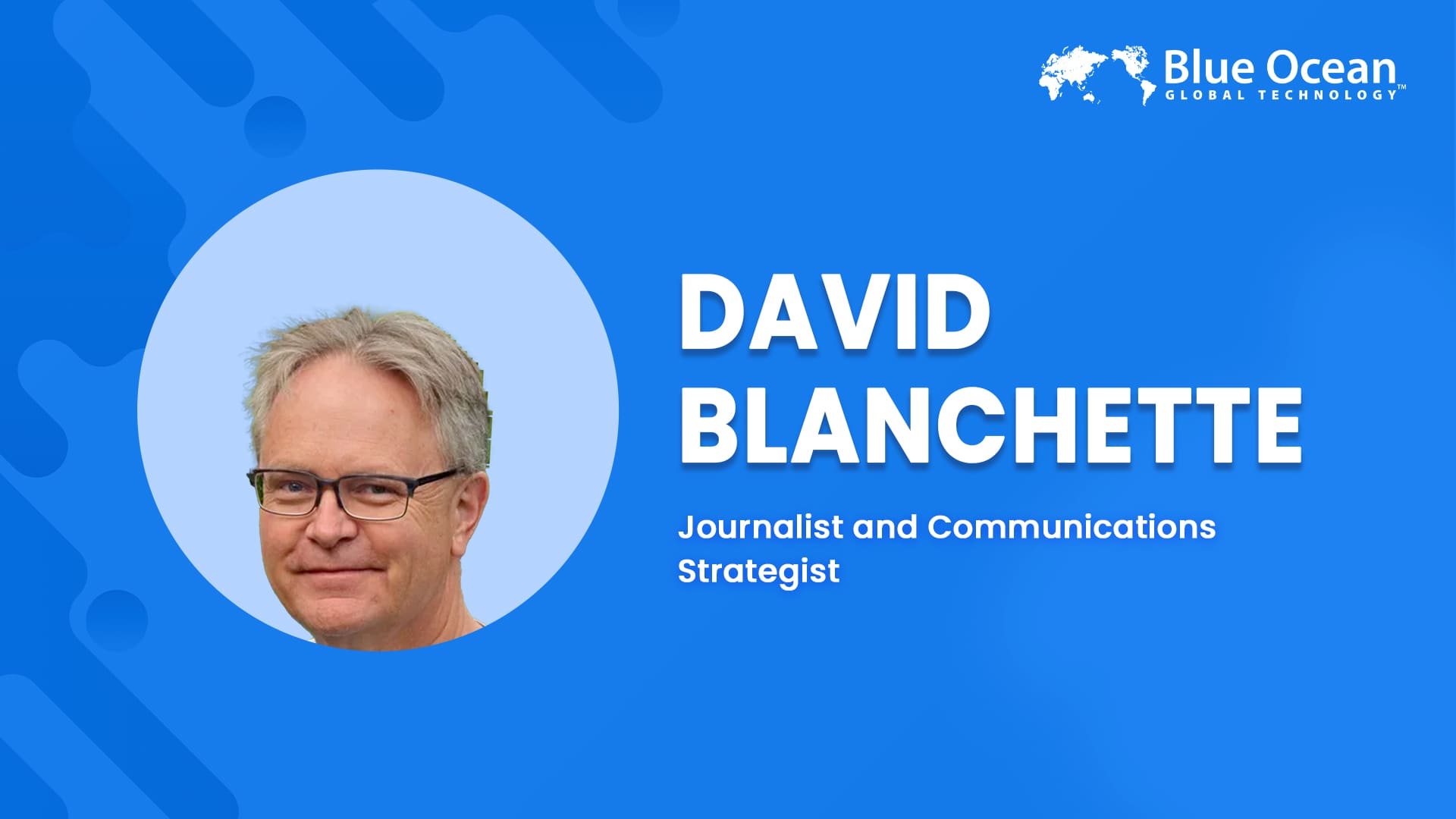
About David Blanchette:
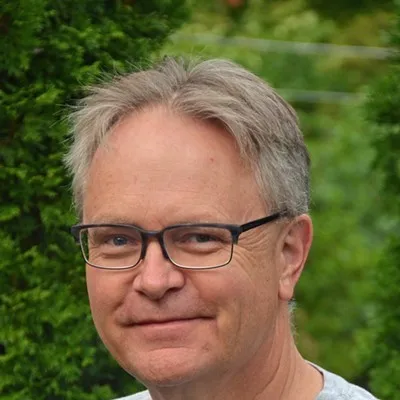
David Blanchette is a freelance writer, photographer, and news media relations consultant. Following an award-winning career in broadcasting, David helped plan and open the Abraham Lincoln Presidential Library and Museum and served as the official state spokesman on Abraham Lincoln and Illinois history for more than 25 years. He ended his state career as a spokesman for the Illinois Governor. He is currently chairman of the board of the Jacksonville Area Museum, a local history museum in Jacksonville, Illinois. David currently does news media relations consulting for several Illinois-based organizations and is a working freelance journalist whose stories on a variety of topics may be read in newspapers across central Illinois and the Metro East. David also owns and operates a commercial photography studio in Springfield, focusing on special events, weddings, portraits, and photojournalism.
Blue Ocean: What inspired your early interest in journalism and public communication, and how did that foundation shape your career in public service?
David: My interest in journalism developed almost by accident. Initially, I intended to become an English teacher because I loved reading novels and enjoyed writing. During my junior year of college, however, I had the opportunity to apply for a position at a local radio station, reading the news. I thought it would be a good way to earn money while also allowing me to continue writing, so I applied for the job and was hired. At just nineteen years old, I became a broadcast news director while simultaneously studying journalism in college.
Throughout college, I worked as a professional news broadcaster, and after graduating, I continued in radio journalism for nearly eight more years. During that period, I also helped establish a television news studio at Illinois College, where we trained students in news writing, reporting, and broadcast presentation. We even provided election coverage modeled after the format used by national television networks.
Eventually, I transitioned into public relations with the State of Illinois, accepting a position in 1987 with the Illinois Department of Mental Health. The role primarily involved responding to media inquiries regarding difficult and often tragic situations, including patient incidents and institutional controversies. After two years, I moved to the Illinois Historic Preservation Agency, a decision that would shape the rest of my career.
Shortly after joining the agency in 1989, discussions began surrounding what would eventually become the Abraham Lincoln Presidential Library and Museum. I was involved from the very beginning of that development process. Although I was not a historian, I served as the agency’s public relations professional, which required me to participate in meetings, understand the decision-making process, and communicate those developments to the public and the media. Through years of working closely with historians, scholars, and preservationists, I gained an extensive understanding of Abraham Lincoln and Illinois history.
Over time, I became actively involved with organizations such as the Abraham Lincoln Association and the Lincoln Academy of Illinois, maintaining those relationships for decades. Though I eventually realized that administrative management and personnel issues were not where my true passion lay.
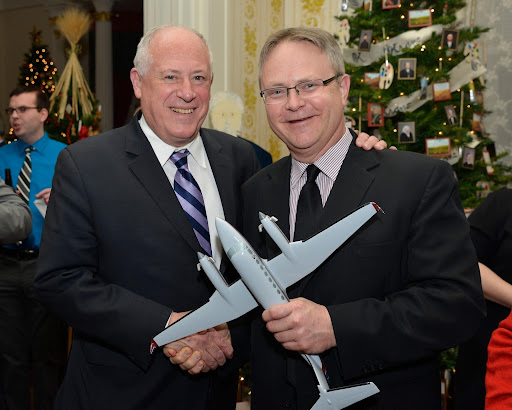
Around that same period, then-Governor Pat Quinn asked me to serve as one of his press secretaries during a difficult re-election campaign, largely because of my work promoting the Lincoln Bicentennial and my involvement on the national Lincoln Bicentennial Committee. Although the campaign was unsuccessful, it was highly competitive, and afterward, I transitioned into freelance journalism full-time.
Today, journalism remains my greatest passion. I write between 300 and 500 news stories each year for several newspapers while also operating a photography studio in Springfield. My work combines writing and photojournalism, a combination that has become especially valuable in modern journalism as news organizations seek professionals who can perform multiple roles effectively. In addition to reporting, I continue to consult for Lincoln-related organizations and other clients.
My personal life has also deeply shaped my journey. My first wife suffered a serious accident, and for approximately eighteen years, I served as her primary caregiver until her passing in 2020. Shortly afterward, I met my current wife, and together we purchased a home on Lake Petersburg in Illinois, located just a short distance from Lincoln’s New Salem State Historic Site, where Lincoln once lived in a log cabin for six years.
In many ways, it feels as though every stage of my life and career continues to lead me back to Lincoln. I walk through New Salem almost every evening for exercise, regardless of the season, and each visit serves as a reminder that one of the most influential figures in world history once found his future in that very place.
Blue Ocean: How did your experience as a radio news director influence your approach to communicating complex public issues?
David: My writing style was shaped by my years in radio. When you write for listeners rather than readers, clarity and immediacy become essential. You must communicate the central idea quickly and effectively. That philosophy continues to guide my writing, whether for broadcast or print.
Modern audiences have short attention spans. If you fail to capture their interest immediately and present information in a clear, accessible way, you risk losing them entirely. For that reason, I avoid overly complex sentence structures. Instead, I favor concise, declarative sentences that are both engaging and memorable.
At the same time, I strive to make the writing entertaining. I frequently incorporate wordplay, transitions, and thematic connections that encourage the audience not only to absorb the sentence they just encountered but also to remain interested in what comes next. It is a highly intentional approach to writing.
In every story I write, whether for broadcast or print, I also make an effort to connect key moments back to the opening idea. This reinforces the central theme and gives the piece a sense of cohesion and purpose. In many ways, it mirrors the technique of a novelist, though executed in a far more condensed form.
Blue Ocean: What were some of the most memorable or challenging moments you faced while serving as Public Information Officer for Illinois’ historic sites?
David: There are countless experiences I could talk about. I had only been on the job for about two months when I encountered my first major public controversy involving the Gettysburg Address. The State of Illinois owns an original handwritten copy of the address, which had been displayed for years at the Old State Capitol State Historic Site. When historians decided to remove it from public display because it had been exhibited for an extended period, the reaction was immediate and intense. Public outrage generated international media attention, and we quickly realized we needed to address the situation carefully and strategically.
That experience taught me an important lesson about managing large groups of reporters and public expectations: first, stay out of their way because journalists can become overwhelming when pursuing a story, but at the same time, establish clear boundaries and maintain order.
Not long afterward, during the presidential campaign of Bill Clinton, I was responsible for coordinating media coverage when Clinton, along with Al Gore and their wives, stopped at the Vandalia State Historic Site during a cross-country campaign tour. The site held special historical significance because it was where Abraham Lincoln served as a state legislator and helped move the Illinois state capital to Springfield.
That event involved approximately 200 reporters, multiple press buses, and extensive coordination with the Secret Service because Clinton was a presidential candidate at the time. Thanks to the lessons I had learned during the Gettysburg Address controversy, I was better prepared to handle the demands of a large and often chaotic press corps. After the rally, I even had the opportunity to join Bill and Hillary Clinton inside the historic building for a private tour, which remains one of the more memorable experiences of my career.
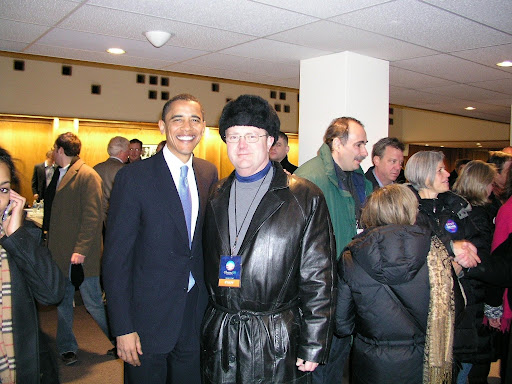
As time went on, nearly every presidential campaign sought to connect itself in some way to Lincoln’s legacy. The most notable example was Barack Obama. When Obama announced his candidacy for president, he chose the Old State Capitol State Historic Site because it was the same location where Lincoln had once maintained his campaign headquarters. I worked directly with Obama’s campaign staff and the Secret Service to coordinate the event.
The rally took place in February under brutally cold conditions, with temperatures well below freezing. Hundreds of reporters from around the world attended, including a television crew from Fiji, whose members had arrived without winter clothing because they had never experienced such weather. We actually borrowed coats and winter gear from people in the crowd to prevent them from freezing.
About a year and a half later, Obama returned to the same location to announce Joe Biden as his vice-presidential running mate. This time, the challenge was not freezing temperatures but extreme summer heat and humidity. The Secret Service prohibited attendees from carrying water bottles into the event area, which resulted in people fainting while waiting for hours in the heat. We eventually resolved the situation by bringing in large water dispensers for the crowd. That event drew approximately 500 reporters from around the world and thousands of spectators.
Obama’s election then coincided with the 200th anniversary of Lincoln’s birth in 2009, and I helped coordinate public relations efforts for the Abraham Lincoln Bicentennial at both the state and national levels. During that period, I had the opportunity to work closely with Obama and his staff on multiple occasions, including events connected to the Abraham Lincoln Association.
Earlier still, in 2005, both Obama, then a U.S. Senator, and George W. Bush attended the opening of the Abraham Lincoln Presidential Library and Museum. That day, we expected to be the biggest news story in the world, until the Vatican announced the election of Pope Benedict XVI in the middle of our ceremony. Suddenly, producers from major networks were calling their reporters and asking them to question President Bush about the new pope instead. We ended up becoming the second-largest news story on the planet that day, which, for “little old Springfield, Illinois,” was still quite an accomplishment.
Not all of my experiences involved Lincoln or politics. At one point, I conducted a press conference inside a morgue concerning the discovery of Native American remains. I have also worked with Coast Guard crews, traveled to flood-damaged historic sites by boat, and even participated in scuba dives on shipwrecks in Lake Michigan because television crews wanted underwater footage.
There are hundreds of stories I could share, but more than anything, I simply feel fortunate. My career has allowed me to meet extraordinary people, witness remarkable moments in history, and learn from experiences that very few people ever have the opportunity to encounter.
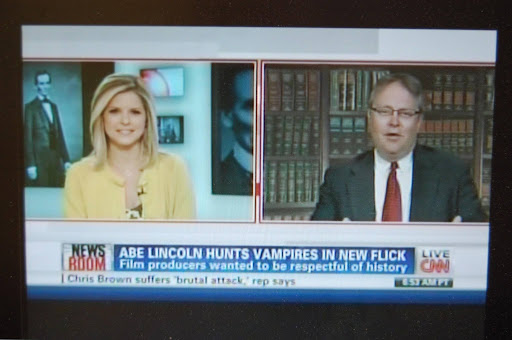
Blue Ocean: You were closely involved in the creation of the Abraham Lincoln Presidential Library and Museum. What stands out most vividly from that process?
David: I was one of the few people involved in the project who was neither a historian, architect, nor builder. My role was in public relations, which gave me a unique perspective on how decisions were made throughout the process.
One of the most important decisions made early on was the formation of a review panel composed of historians, teachers, and scholars. Their responsibility was to examine every aspect of the project and determine whether it was historically accurate. At every stage, we encountered rigorous scrutiny from this panel. They would tell us, “This is not historically supported,” or “There is no evidence proving this,” and we would have to revise accordingly. It was a constant process of evaluation and correction.
What struck me most was how many widely accepted beliefs about Lincoln turned out to be inaccurate. Because he has become such a legendary figure in American history, people often assume he said or did things that, in reality, he never said or did. The historians continually reminded us that our responsibility was to present the truth, not perpetuate myths, rumors, or popular misconceptions about Lincoln.
One debate from that process remains especially vivid in my memory. Throughout the museum, there were lifelike models of Lincoln and his family, and every detail had to be historically precise. At one point, the historians spent hours debating Lincoln’s shoe size. They analyzed photographs, compared proportions relative to his height, and argued over conflicting evidence regarding how large his shoes should be. I remember thinking to myself, “No one is going to measure his feet.” But that moment perfectly reflected the seriousness of their mission and the extraordinary level of detail they believed historical accuracy required.
More than anything else, what stayed with me was the institution’s unwavering commitment to authenticity. The depth of research, scrutiny, and precision that went into every decision was remarkable.
Blue Ocean: How did collaboration among historians, designers, and state leadership contribute to the project’s success?
David: Part of that challenge was addressed through the panel of historians, but we also had to ensure that the institution appealed to visitors across every level of interest and engagement, from students and scholars to researchers and everyday tourists.
The museum designers had previously worked on projects for The Walt Disney Company, so they deeply understood how to create experiences that resonate with audiences of different ages, backgrounds, and attention spans. They often explained that there are three kinds of museum visitors, and a successful institution must serve all three.
First, there are the “streakers.” These are the people who move quickly through a museum, glance at the visuals, and leave. Then there are the “strollers,” who move at a slower pace, read selected exhibits, watch presentations, and spend time absorbing the atmosphere. Finally, there are the “studiers”, the visitors who read every word, examine every artifact, and may spend hours, sometimes even days, exploring the institution in depth. The museum had to function successfully for all of them.
Beyond that, we understood that the institution’s greatest form of publicity would not come from advertising but from the experiences visitors carried away with them. People who visited needed to tell their friends and relatives about it. They needed to share their experiences on social media and encourage others to visit. When travelers saw the sign from the interstate, we wanted them to feel compelled to take the exit because they had heard the experience was extraordinary.
When people of every interest level leave with that reaction, when both casual tourists and serious scholars feel the visit was worthwhile, that kind of authentic enthusiasm becomes more powerful than any advertising campaign you could ever purchase.
Blue Ocean: As a professional journalist and a communications director, you have played an important role in preserving historic institutions and sustaining public interest in history. Since we understand that it takes a village, what can the readers of this interview do to support these worthy causes?
David: You have to take an active role in preserving history, whether it involves a small local museum or a major national institution. It is important to understand the history of the community in which you live and to help preserve that history, because if local communities do not protect their own stories, no one else will do it for them.
Lincoln is somewhat different because he is a universally recognized historical figure. There is already a built-in public interest surrounding anything connected to him, whether it is a newly discovered document, an artifact, or a new historical interpretation. People naturally pay attention to those discoveries.
But local history does not always receive that same attention. In many communities, the responsibility for preserving history falls entirely on the people who live there. If they do not take an interest in documenting, protecting, and sharing their own heritage, those stories can easily disappear over time.
That is why it is so important to become involved at the local level, whether by learning the history yourself, helping preserve it, or ideally both. People often say, “It takes a village,” and that is especially true when it comes to historical preservation. You begin with your own community, and from there, the impact expands outward.
Blue Ocean: What personal qualities proved most essential for you in managing communications across such a wide range of historic sites and public audiences?
David: It is really a combination of humility and adaptability. First, you have to recognize that the people providing you with information often know far more about the subject than you ever will. You learn very quickly not to carry an ego into this business. There were many times when I would draft a news release, send it for approval, and have experts respond by saying, “No, this is incorrect. This is wrong. You need to revise this.” Over time, I developed a thick skin and understood that the priority was not protecting my pride; it was getting the information right. If achieving accuracy required a dose of humility, then that was simply part of the process.
The second essential quality is adaptability. You have to know how to adjust both your message and your messaging depending on the subject matter and the intended audience. Different topics resonate with different groups of people, and those audiences may not consume information in the same way. That means seeking guidance from people who already understand those audiences: How do they prefer to learn? What language connects with them most effectively? What is the best way to reach them?
Early in my career, before AI tools made translation easy, we also had to decide strategically whether it was worth translating certain news releases into other languages. Professional translation required both time and expense, so those decisions mattered. In Illinois, many historical sites reflect French heritage, and there are also important ties to Spanish history. At one point, we decided to translate certain releases into French and distribute them to media outlets in Canada. The result was extensive coverage that we would not have received otherwise.
That experience reinforced an important lesson: successful communication requires adaptability, creativity, and a willingness to think beyond standard approaches. You must be open to trying new strategies and adjusting as circumstances change. At the same time, you cannot allow ego to interfere with the process, because if it does, this profession will humble you very quickly.
Blue Ocean: What advice would you offer to emerging professionals interested in careers in public communication, journalism, or historic preservation?
David: First and foremost, read as many news sources as you can get your hands on. I have always been especially partial to print journalism, but that should never be your only source of information. The important thing is to remain well-informed about current events, emerging trends, and history. History influences many of the issues we face today, so it is essential to understand where we have been, globally, nationally, and within your own state or community.
Equally important is learning how to write well. Strong writing is a skill that will benefit you regardless of the profession you pursue. Your command of language and your ability to communicate clearly, both in writing and in conversation, are foundational to success in virtually any field.
For those interested in historic preservation, those same communication skills are incredibly valuable. But beyond that, you must also be willing to do the hard work. You have to be prepared to walk into old buildings filled with dust, decay, cockroaches, and rats. You have to be willing to dig through aging records and forgotten archives in search of answers. If you want to become a serious historian, you cannot rely solely on internet searches or quick information from your phone. Real historical work requires getting into the field, getting your hands dirty, and going directly to where the history exists.
You also need to spend time with experts, people who have devoted their lives to studying and preserving history. Learn from them through observation, conversation, and experience. Absorb their knowledge. Ask questions. One of the most effective ways to grow in the field is to learn from those who have already spent decades doing the work. There is no reason to reinvent the wheel when others have already navigated the challenges, made mistakes, and discovered successful approaches.
And ultimately, it all comes back to humility. You cannot approach history, or any profession, with the belief that you already know everything, because you do not. Keep an open mind. Be willing to listen. Seek guidance. Stay curious. And above all, be willing to put in the work necessary to uncover and preserve the truth.
Blue Ocean: You have spent most of your career in central Illinois, where Abraham Lincoln practiced law and ran for public office. Are there particular lessons from Abraham Lincoln that influenced your approach to leadership and communication?
David: There absolutely are influences, although I did not fully recognize them until I looked back on my career and realized, “I heard Lincoln approached leadership this way, and now I find myself doing the same thing.”
One of the most important lessons was the idea of servant leadership. Lincoln did not simply sit behind a desk issuing orders. He led from the front. He engaged directly with people, listened carefully, and stayed connected to what was actually happening on the ground. That approach taught me that effective leadership requires more than authority; it requires presence, understanding, and a willingness to experience situations alongside the people you are leading. When you operate that way, you gain a much clearer sense of what people are truly thinking and feeling.
Another major influence came through my friendship with Doris Kearns Goodwin, whose book Team of Rivals examines how Abraham Lincoln built his presidential cabinet. Lincoln intentionally surrounded himself with people who did not always agree with him, and in some cases, people who did not even particularly like him. Yet he still valued their perspectives and listened carefully to conflicting viewpoints before making decisions.
That stands in sharp contrast to much of modern public discourse, where people often surround themselves only with those who think exactly as they do, creating an echo chamber that leaves little room for disagreement or thoughtful debate. Lincoln understood that if you want to make sound decisions, whether in leadership, politics, journalism, or life generally, you must genuinely listen to all sides of an issue.
That does not mean you have to agree with everyone. But it does mean you should understand why people believe what they believe. Listening with that level of openness and intellectual humility ultimately leads to better judgment, stronger leadership, and more meaningful communication.
Blue Ocean: How has your work shaped your understanding of Lincoln’s legacy and its relevance today?
David: It happened gradually over time. The more I learned about Abraham Lincoln, the more I realized that his legacy still resonates powerfully today, if people are willing to listen to it. That is really the challenge: encouraging people to pay attention to what Lincoln said, what he did, and the example he set through his life.
What makes Lincoln’s story so remarkable is that he came from extraordinary hardship. He was born into literal dirt-floor poverty, living in a one-room log cabin with very little formal education. He attended school for only about two years, yet through determination, discipline, and relentless self-education, he taught himself law, became an exceptional writer, and ultimately emerged as one of history’s most influential leaders.
Lincoln also experienced far more failures than successes throughout his life. He lost elections, faced setbacks, and endured enormous personal and professional struggles. But he learned from those losses instead of allowing them to define him. He used the lessons of hardship, humility, and perseverance to propel himself onto an international stage, and his example continues to inspire people around the world today.
That is why Lincoln’s story remains so universal. It does not matter where someone comes from or what circumstances they face. People living in poverty, struggling against adversity, or doubting their own potential can look at Lincoln and recognize that greatness is not determined by privilege or background. His life demonstrates the power of resilience, self-improvement, and determination.
Blue Ocean: Your writing (your articles, such as Still Building Athens) has reflected deep connections to Illinois communities and their evolving stories. How has documenting local and state history shaped your understanding of small-town identity?
David: Small-town identity is deeply connected to history and heritage. For people who have lived in these communities for generations, much of their sense of identity comes from the shared history and traditions of the place they call home. But even newcomers quickly discover that these communities often hold a unique place in the history of the state and, in many cases, the nation itself.
There is only one Athens. There is only one Jacksonville. These communities are singular. Just like individuals, every town has its own unique character and its own story to tell.
The real challenge lies in presenting those stories in a way that captures people’s attention and makes them want to learn more. That challenge exists whether you are creating a museum exhibit, preserving local heritage, or writing a news story about a historical event. History has to be communicated in a way that feels relevant, engaging, and meaningful to the audience.
That is why I am always looking for the unique angle, the overlooked detail, the compelling human story, or the distinctive element that makes a community stand apart. Those are the things that bring history to life and make people care about preserving it.
Blue Ocean: Do you have any stories about failures and successes in small-town revitalization?
David: Yes, particularly in the context of revitalization. During the 1960s and 1970s, many communities across the United States launched major efforts to revive their downtown areas, which had once served as vibrant commercial and social centers. As shopping malls and suburban development expanded, however, people gradually stopped frequenting traditional downtown districts. In response, cities embraced what was known as “urban renewal.”
Urban renewal projects often involved redesigning traffic patterns, widening streets, demolishing older buildings, and modernizing the appearance of downtown areas. At the time, many community leaders believed they were improving their cities. But in hindsight, a great deal of that redevelopment had unintended consequences. In many places, it stripped downtowns of their historic character and altered traffic flow in ways that encouraged people to drive through or away from downtown rather than toward it.
I can speak specifically about Jacksonville because I lived there during that period. The downtown area had already been struggling before urban renewal, but in many ways, the decline accelerated afterward. Over time, community leaders realized that what made the downtown valuable was not modern uniformity, but its historic identity. They began restoring the downtown to its traditional layout, a central town square where people naturally gather, drive through, shop locally, and experience businesses that are unique to that community.
Today, Jacksonville is thriving in large part because it learned from those earlier mistakes. The community recognized that preserving historical character was not an obstacle to progress, but an essential part of it. The same pattern occurred in Springfield, where leaders converted streets into one-way routes, demolished historic buildings, and implemented changes they believed would modernize the city. In reality, many of those changes made downtown less inviting and pushed people away.
Over time, many of these communities have worked to reverse or rethink those decisions. Some challenges remain; parking, for example, continues to be an issue in some downtown districts. But in many respects, a parking problem caused by too many visitors is a positive sign. It means people are returning, businesses are thriving, and downtowns are once again becoming destinations.
I think communities throughout the United States are increasingly recognizing that the historic character of their downtown squares is something to be protected, not discarded. True progress does not come from erasing history in the name of modernization. It comes from embracing history and allowing it to become part of a community’s future.
Blue Ocean: Outside of your professional responsibilities, what interests or activities help you maintain balance and perspective?
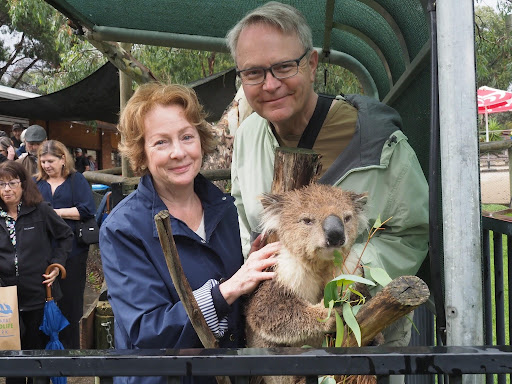
David: My wife and I love traveling and experiencing different parts of the world together. We recently returned from trips to Australia and New Zealand, and before that, we traveled to Kenya for a safari experience that remains one of my favorites. We have also visited the Scandinavian countries, taken a Mediterranean cruise, and explored Alaska by cruise as well. In the near future, we are planning a trip to Japan, and we hope to return to Africa afterward because Kenya has become my favorite destination.
Part of what makes travel so meaningful to me is that I am also a professional photographer. I love capturing the landscapes, wildlife, and people we encounter along the way. In our living room, we have a large photograph I took in Kenya of three giraffes walking directly toward us, and it remains one of my favorite images. Beyond photography, I genuinely enjoy meeting people from different cultures, learning about their lives, and gaining a better understanding of the world through those experiences.
Closer to home, we live on a lake, so I enjoy spending time outdoors. I like taking our boat out on the water and paddling my kayak around the lake. I also own a convertible sports car that I probably drive a little faster than my wife would prefer.
Family is another major part of our lives. We currently have six grandchildren, with one more on the way. The oldest is twenty-one, and the youngest is two years old. One of our children lives in London, so we may be making a quick trip there very soon as well. We truly enjoy spending time with our grandchildren and visiting them whenever we can.
And I, as I said earlier, am involved in the Jacksonville Area Museum. That’s an all-volunteer effort. I’m the chairman of the board. So once a week, I go over there and help our carpenter. We have a professional carpenter who’s helping to expand the museum.
So I go over there and help him work. I have a few carpentry skills, so I’m able to help him do some building, painting, etc. Again, that’s your servant leader. An example of a servant leader is putting on my work clothes and sawing, hammering, and painting in a museum.
I build very intricate wooden sailing ships that sometimes take four or five years to build. My wife jokes that we’re going to have to buy a new house because it’s being filled up with these wooden model sailing ships. So, I’m very eclectic. I love to cook. I brew my own beer. And consume it – and that’s the most enjoyable part of making beer!
What else do I do? Oh, I build very intricate wooden sailing ships that sometimes take four or five years to build. My wife jokes that we’re going to have to buy a new house because it’s being filled up with these wooden model sailing ships.
That pretty much sums up my… I have many more outside interests. I’m very eclectic. I love to cook. Oh, I make my own beer. I brew my own beer. And consume it, which you can’t, that’s the most enjoyable part of making beer, is consuming it.
I really can’t think of much else. I’m sure there are other things, but there you go.
Blue Ocean: You have significant experience as an interviewer. If you were interviewing yourself, what would be the last question you ask?
David: And I do this with every person I interview. There are always two questions I ask at the end of a conversation. The first is very practical: “What have we not covered that you think is important?” I ask that because no interview can capture everything, and often the person being interviewed has an important thought or perspective they did not have the opportunity to share earlier.
The second question is: “What might people be surprised to learn about you?” That question usually causes people to pause and reflect for a moment, and it often reveals a much more human side of the individual.
Conclusion
David’s journey illustrates the power of curiosity, adaptability, and servant leadership. His career reflects a lifelong commitment to communication, preservation, and public service. Throughout decades of work in journalism, historic preservation, and public affairs, one lesson remained consistent: stories matter because they connect people to ideas larger than themselves.
Do you have a personal or professional story that can inspire other people into becoming the best version of themselves?
You are welcome to share your journey with our audience.