Blue Ocean Global Technology Offers the
Following Expert Witness Services:
01
Testifying Expert Witness
02
Non-testifying Expert Witness
03
Expert Advisor
04
Expert Consultant
Why Choose Us
We have the expertise to provide optimal results tailored to suit individuals and businesses alike.


Dr. Dwight A. Owens’ Achievements
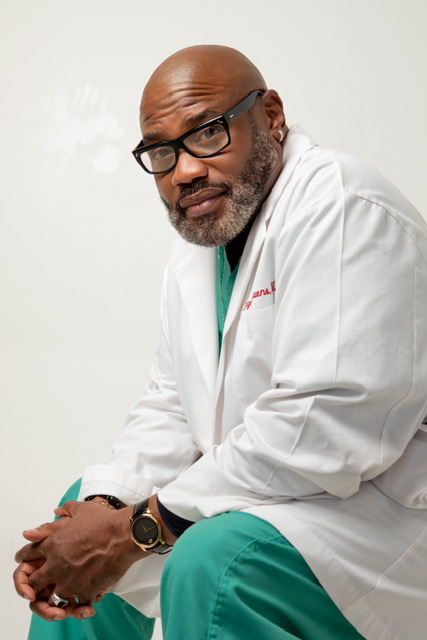
- Over 25 years of clinical, forensic, and courtroom testimony experience across multiple jurisdictions.
- Distinguished Fellow of the American Psychiatric Association (D.F.A.P.A.).
- Master Certified Independent Medical Examiner (M.C.I.M.E.).
- Completed Forensic Psychiatry Fellowship at Emory University, specializing in psychiatry and the law.
- Associate Professor, Mercer University School of Medicine; Adjunct Professor, Morehouse School of Medicine.
- Former Medical Director, Fulton County Department of Mental Health.
- Recipient of the Ernest Y. Williams Clinical Scholar of Distinction Award from the National Medical Association.
- Recipient of Kiplinger’s Who’s Who Award, Cambridge Who’s Who Award, America’s Top Psychiatrist Award, and Patients’ Choice Award.
- Author of Depression in the Pews: A Silent Killer and Am I in a Bad Relationship? (Volumes 1 &2).
Expert Witness Services at Blue Ocean Global Technology
In 2015, we received multiple inquiries from law firms in search of expert witnesses for their cases. We promptly set our team in motion, and as a result, these firms now attribute our well-documented client expertise as a key factor in their decision to engage our services.
Subsequently, numerous other law firms have also sought our expertise as expert witnesses, seeking assistance with online defamation cases for both themselves and their clients.
Find the Perfect Forensic Psychiatry Expert Witness for Your Case
Don’t leave your case to chance. Gain a competitive edge with insights from Blue Ocean Global Technology’s trusted expert witness. With our expertise, you’re one step closer to success.
Awards









Introduction
Mental health is often misunderstood in the courtroom. When cases involve psychiatric disorders, trauma, criminal intent, or psychological injury, legal arguments alone are not enough. Without clear clinical interpretation, critical facts can be misread, minimized, or dismissed entirely.
This is why a forensic psychiatry expert witness is needed to translate psychiatric conditions into legally relevant insights. They help courts evaluate competency, assess criminal responsibility, and determine whether conditions like PTSD are causally linked to specific events.
Who Is a Forensic Psychiatry Expert Witness?
A forensic psychiatry expert witness is a board-certified psychiatrist with specialized training in the application of psychiatric knowledge to civil and criminal legal proceedings.
Unlike treating clinicians, whose primary duty is to the patient, forensic experts are obligated to deliver independent, evidence-based opinions that help courts interpret psychiatric issues and reach informed decisions, regardless of who retained them.
To qualify, these experts typically hold an M.D. or D.O., maintain active board certification in psychiatry, and have specialized forensic training or experience, such as through fellowships or advanced credentials such as M.C.I.M.E. or D.F.A.P.A. In litigation, they evaluate mental state, psychological injury, and standards of care, translating complex diagnoses and causal relationships into clear, credible testimony for judges and juries.
What Disputes Can Benefit from Forensic Psychiatry Expert Witness Testimony?
The scope of forensic psychiatry expert witness testimony is broad, spanning criminal, civil, administrative, and veteran contexts. Below are the most common legal disputes that benefit from the involvement of a qualified forensic psychiatrist.
Criminal Responsibility and Competency to Stand Trial
A forensic psychiatric expert witness can assess whether a defendant had the mental capacity to form criminal intent at the time of the alleged offense, or whether a diagnosable mental illness affected their understanding of the nature and consequences of their actions. They also conduct competency evaluations to determine whether a defendant can understand proceedings and assist in their own defense.
Psychiatric Malpractice
In cases alleging negligent psychiatric care, an expert witness can evaluate whether the treating clinician’s decisions, including diagnosis, medication management, hospitalization decisions, and discharge planning, met or deviated from the accepted standard of care.
PTSD, Trauma, and Personal Injury Claims
A forensic psychiatry expert witness can evaluate whether a claimant’s PTSD diagnosis is clinically valid, assess the causal relationship between a traumatic event and the resulting psychiatric condition, and quantify the functional impairment and future treatment needs
arising from the trauma.
Disability and Psychiatric Impairment Evaluations
A forensic psychiatric expert can conduct comprehensive impairment evaluations to determine the nature, severity, and permanence of a claimant’s psychiatric condition and whether it limits their ability to engage in substantial gainful employment.
Veteran DBQ Exams and Nexus Letters
Veterans seeking VA disability benefits for service-connected psychiatric conditions, including PTSD, depression, anxiety, and military sexual trauma (MST), often require a Disability Benefits Questionnaire (DBQ) examination and a nexus letter establishing the connection between their military service and current psychiatric diagnosis. A qualified forensic psychiatrist with experience in veteran mental health can provide these critical documents.
Testamentary Capacity
When a will, trust, or other legal document is contested because the creator lacked mental capacity, a forensic psychiatrist can evaluate historical medical records, psychiatric history, and available documentation to offer an expert opinion on whether the individual possessed the required cognitive and volitional capacity at the time of execution.
Fitness for Duty Evaluations
Employers in safety-sensitive industries may require fitness for duty (FFD) evaluations when an employee’s mental health raises concerns about their ability to safely perform their job. A forensic psychiatrist can conduct an objective evaluation and provide a documented opinion on whether the employee is psychologically fit to return to work.
Child Custody and Family Court Matters
In contested custody proceedings, forensic psychiatric evaluations can assess parental mental health, the psychological impact of family dynamics on children, and whether a parent’s psychiatric condition poses a risk to the child’s well-being. These evaluations inform some of the most consequential decisions a court can make.
How Can a Forensic Psychiatry Expert Witness Support Your Case?
Engaging a forensic psychiatry expert witness is not simply a matter of having someone testify at trial. The most effective use of a forensic psychiatric expert begins early in the litigation process and extends through every phase of case development. Here is how a qualified expert supports your case from start to finish.
Consultation and Case Evaluation
Reviews all available case records, including psychiatric histories, medical files, deposition transcripts, and legal filings, to identify central psychiatric issues and advise counsel on the clinical merits and vulnerabilities of the case.
Independent Psychiatric Evaluation
Conducts a formal clinical interview and mental status examination of the claimant or defendant, producing objective, reproducible findings grounded in forensic best practices and defensible under cross-examination.
Expert Report Preparation
Prepares a comprehensive forensic psychiatric expert report covering credentials, factual background, records reviewed, clinical findings, diagnostic conclusions, supporting opinions, and reasoned conclusions tied directly to the legal questions at issue.
Trial Preparation and Attorney Collaboration
Works closely with legal counsel to formulate examination questions, review and rebut opposing expert reports, participate in mock examination sessions, and provide real-time guidance during depositions and hearings.
Court Testimony
Delivers clear, credible direct examination testimony, withstands cross-examination by opposing counsel, and responds to judicial questions.
Tips for Finding the Right Forensic Psychiatry Expert Witness
Not every board-certified psychiatrist is equipped to serve effectively as a forensic expert witness. Selecting the right expert requires evaluating a distinct set of qualifications, practical skills, and professional characteristics. Here are the most important factors to consider.
Verify Board Certification and Forensic Training
The foundational requirement for any forensic psychiatry expert witness is board certification in psychiatry. Beyond this baseline, look for evidence of specialized forensic training, such as completion of an ACGME-accredited Forensic Psychiatry Fellowship and Master Certified Independent Medical Examiner (M.C.I.M.E.) designation. These credentials signal that the expert has received rigorous, focused training in the intersection of psychiatry and the law.
Match Specialization to Your Case
Forensic psychiatry encompasses a wide range of subspecialties. A criminal case turning on competency or insanity demands expertise in criminal forensic psychiatry and applicable legal standards. Selecting an expert whose subspecialty aligns with your case type dramatically improves the relevance and persuasiveness of their testimony.
Assess Deposition and Trial Experience
Courtroom credibility is built over time. When evaluating a potential expert, request a history of prior testimony, including the types of cases, jurisdictions, and whether the expert has testified on behalf of both plaintiffs and defendants.
Prioritize Communication Skills
The clinical expertise of a forensic psychiatrist is only as valuable as their ability to communicate it. Look for an expert who can explain complex diagnostic criteria, causal pathways, and clinical reasoning in language that lay jurors can follow and find compelling.
Confirm Availability and Bandwidth
Before engaging an expert, confirm that they have the time and availability to thoroughly review all case records, conduct an independent evaluation if necessary, prepare a comprehensive expert report, participate in deposition preparation, and appear for depositions and trial on your timeline. An expert stretched too thin may produce rushed reports or be unavailable at critical moments in the litigation.
The Bottom Line
A qualified forensic psychiatry expert witness provides the clinical foundation upon which sound legal decisions are built. Their testimony clarifies facts, bridges the gap between psychiatric science and legal standards, and helps ensure that the outcome of a case is grounded in credible, objective evidence.
To get the most out of a forensic psychiatric expert’s services, retain them early, communicate openly, and provide complete access to all case documentation from day one. The depth and quality of their contribution scale directly with how thoroughly they can engage with the facts of the case.
Ready to Strengthen Your Legal Argument?
Whether it’s criminal responsibility, PTSD claims, psychiatric malpractice, or veteran
disability evaluations, our experienced forensic psychiatry expert witness is here to provide
clear, objective, and compelling testimony.
Customize Your Budget
Customized Budgets
"*" indicates required fields
FAQs
Forensic Psychiatry Expert Witness
- What is a forensic psychiatrist?
A forensic psychiatrist is a medical doctor trained in psychiatry with specialized expertise in applying mental health knowledge to legal issues. They evaluate individuals for courts, attorneys, and agencies to provide objective, evidence-based opinions.
- What does a forensic psychiatrist do?
Forensic psychiatrists conduct psychiatric evaluations for legal purposes, such as competency to stand trial, criminal responsibility, PTSD and personal injury claims, disability assessments, and custody matters. They also prepare expert reports, advise legal teams, and provide testimony in depositions and court.
- How to find a forensic psychiatry expert witness?
To find a qualified forensic psychiatry expert witness, start by searching reputable listings and verifying their credentials. After identifying candidates, review their online presence, such as professional websites, CVs, and LinkedIn profiles, to confirm experience, subspecialty focus, and litigation history. Checking publications, prior testimony, and overall digital footprint helps ensure the expert is credible, experienced, and aligned with the specific needs of your case.
Still have questions?
We’re here to assist! Feel free to leave all your inquiries and we will schedule a complimentary consultation today to chat about your online presence requirements.
"*" indicates required fields