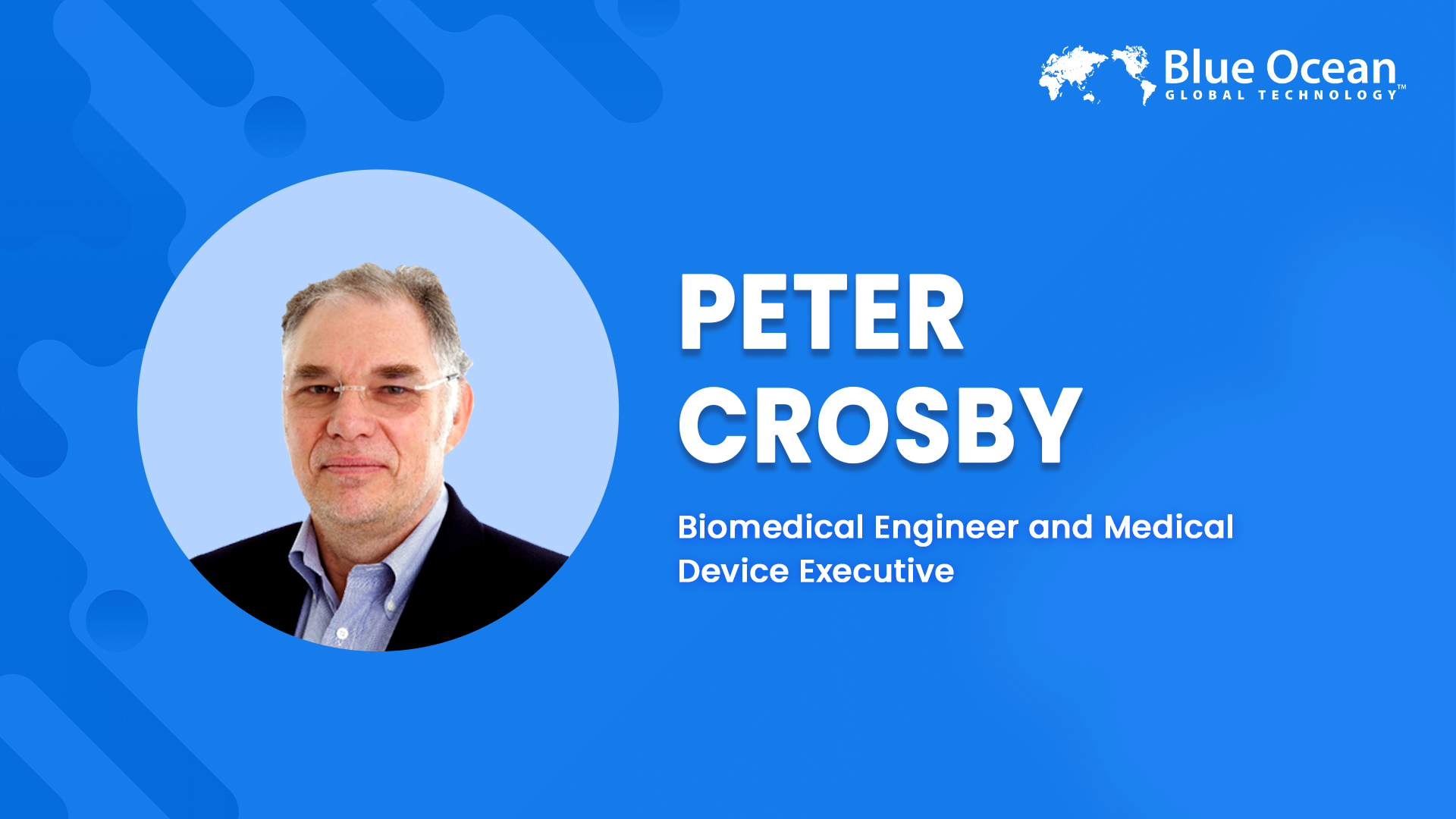
About Peter Crosby:
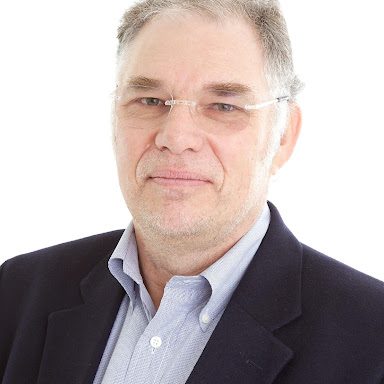
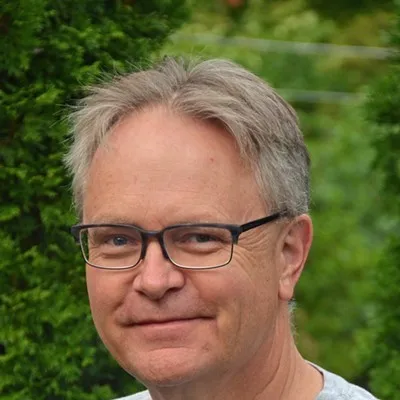
Peter Crosby is a biomedical engineer who moved from Australia to the USA in 1989. He is an inventor on over 50 issued US patents, and he has developed and introduced many medical devices to the world market, including imaging (ultrasound), implantable devices (cardiac pacemakers, cochlear implants, artificial hearts), and diagnostic blood tests.
He has served as CEO of six medical device companies (public and private) in four countries and served on 13 Boards of Directors. Peter characterizes himself as a builder of products, teams, financing syndicates, markets, and furniture. He lives in Southern California and enjoys diverse professional and personal activities.
Blue Ocean: Can you walk us through your professional journey in the medical device industry? What initially drew you to this path, and what continues to drive your passion today?
Peter: I started getting interested in engineering in elementary school, and I began playing with electronics as a hobby when I was quite young. I became fascinated by what electronics and engineering could do in medicine. A lot of that fascination came from reading so much science fiction as a child and becoming engaged with the idea of augmented humans through engineering.
So, when I graduated from high school, I had to decide whether to pursue a medical degree or an engineering degree. What ultimately made the difference for me was realizing that, as a doctor, you can help the one patient standing in front of you, whereas as an engineer, you can work on things that might help hundreds or thousands of people at one time.
I decided to move into engineering. I completed my engineering degree and then began graduate studies in biomedical engineering. I had originally planned to do a PhD, but my first son arrived about a week before my final engineering exams. It took me a little while to realize that, between family, career, and postgraduate studies, you can do two, but you can’t do all three. I finished my graduate studies with a master’s degree in biomedical engineering and decided to pursue my career.
My first job was setting up a laboratory at the Sydney Eye Hospital for a new professor of ophthalmology. My work involved building equipment, running the clinic, seeing patients, and preparing reports for ophthalmic electrophysiology, which is essentially the study of the electrical signals produced by the brain and the eye during the process of vision.
Not long after that, I was recruited to establish a hospital biomedical engineering service at a large metropolitan hospital in Sydney. I had responsibility for equipment across about 12 hospitals with roughly 5,000 beds. I procured, maintained, and serviced equipment while also pursuing my own research interests, which at the time focused on mobility aids for disabled people, primarily paraplegics and quadriplegics, helping them walk better and navigate life more effectively.
After a couple of years, I was recruited to another company, a startup developing an implantable hearing prosthesis, a so-called cochlear implant. This device is implanted into the skull and electrically stimulates the nerves of hearing to restore hearing to people who are profoundly deaf. That company, by the way, now generates about $2 to $3 billion a year in sales and is worth several billion dollars.
I wish I’d been smart enough to get some stock in that company, but I wasn’t that smart at the time.
I then moved to another company where we were developing small handheld ultrasound imaging devices. We actually pioneered transvaginal ultrasound-guided egg retrieval for in vitro fertilization and sold a great deal of equipment to IVF clinics.
After that, I moved from Australia to the United States in 1989. I joined a company called Telectronics, where I was running a program to develop an implantable cardioverter defibrillator. This is a device implanted in the chest that detects when the heart stops due to ventricular fibrillation and delivers a large electrical shock to restart it. You’ve probably seen paramedics on television using paddles on a patient’s chest; it’s the same concept but completely implanted inside the body.
The first indication of this technology was what’s called sudden death syndrome. So, if you’ve been keeping track, my career to date, and I say this very much tongue-in-cheek, is that I’ve helped the lame to walk, the deaf to hear, the barren to bear children, the blind to see, and the dead to rise again. That was my early career in biomedical engineering.
After spending years in electronics and holding a fairly senior role in research and development, I realized that engineering school teaches you how to make things, but it doesn’t teach you how to make money. It also doesn’t really prepare you to run a company or to develop not just a product, but a business, a market, and a team.
I decided I wanted to learn that side of things. One of life’s lessons is that if you’re standing on top of one mountain and want to climb another, you first have to climb down to the bottom. I took a relatively low-level job as a project manager at an early-stage company in Seattle, where we were developing three-dimensional ultrasound image guidance for minimally invasive breast biopsy procedures.
About a year later, the company began searching for a new chief executive officer. I put my hat in the ring and was eventually chosen. Around 18 months later, we sold the company for about a four-and-a-half-times cash-on-cash return for investors, which was great. I still remember going to the bank and surprising the teller because I had to deposit a very large check.
Later, I started another company in Denver, Colorado, where we developed an in vitro diagnostic tool for patients arriving at emergency rooms with chest pain of suspected cardiac origin, which is about six million people a year in the United States. We were trying to give doctors tools to rule out heart attacks in the majority of cases, so patients could safely go home more quickly.
That company was eventually sold. I then moved back to Australia to run a public company called Ventracor, where we were developing what’s called an LVAD, a left ventricular assist device, essentially an implantable blood pump or artificial heart.
We received approval in Europe and were running some excellent clinical trials. But in the middle of 2008, just as I was preparing to raise additional capital, the global financial crisis hit. The company ultimately went out of business.
Then, I moved back to the United States and started another company, Mainstay Medical, where we developed an implantable device for treating chronic low back pain. We completed several rounds of financing, and I eventually moved the company to Dublin, Ireland. I took the company public on the Euronext Paris Stock Exchange in 2014, and I left the company in 2017, when I retired as a full-time CEO.
I’ve served as the CEO of six companies across four countries, both public and private. As I often say, I’ve had two great successes, two modest successes, one sideways experience, and one catastrophe, and I’ve learned from all of them.
Today, I divide my professional life among three main activities. First, I serve as a board member, often as chairman, for several healthcare companies, usually early-stage businesses.
Second, I do a fair amount of expert witness work, primarily involving intellectual property. I’m currently an inventor on about 55 issued U.S. patents.
Third, I work with the University of California, Irvine’s entrepreneurship program on a voluntary basis, helping students and faculty pursue their ideas and ambitions as a coach, mentor, judge, and advisor, essentially helping people learn how to become entrepreneurs.
So that’s how I spend my life, and that’s what I’ve done in biomedical engineering and medical devices.
Blue Ocean: What does a typical day look like for you? How do you balance innovation, operational execution, and strategic leadership responsibilities?
Peter: In my life, there’s really no such thing as a typical day. Every day is different. I live in Southern California, but we also have a home in France that we’ve had for more than 25 years, so we essentially commute across the Atlantic.
Because of that, my days vary depending on where I am. If I’m in California, I’ll probably spend time working on the projects I’m involved with, particularly the expert witness work I do. Depending on the time of year, I may be attending board meetings for the companies I serve, or I may be at the university working with some of the groups there.
Outside of work, I might be in the garden planting vegetables, organizing my fruit trees, spending time with my wife, or focusing on whatever is happening with my grandchildren. In fact, right now I’m in Northern California looking after three of my granddaughters while their parents are away on holiday for a few days.
I really don’t have a typical day. I take each day as it comes. And if someone asks me, “How are you today?” my answer is usually: better than yesterday, but not as good as tomorrow.
Blue Ocean: Given your deep involvement in clinical, regulatory, and manufacturing processes, which emerging trends in the medical industry or healthcare innovation are you most excited about?
Peter: What excites me most today is the potential artificial intelligence offers across so many different fields. For example, one of the companies I helped put together a few years ago, where I now serve as chairman of the board, is focused on transforming American healthcare.
The reality is that America doesn’t really have a healthcare system; it has a “sick care” system. The system is designed to take care of people once they become sick, whereas many other countries focus on keeping people healthy in the first place.
We started a company that organizes what’s called extended care management for the social drivers of health. That’s a bit of a mouthful, but the idea is fairly simple. Imagine someone living in California’s Central Valley who has spent their entire life working in agriculture. They develop heart failure, become ill, and end up in the hospital. The hospital stabilizes them, gives them medication, and sends them home. But if they don’t have social support, family nearby, transportation to medical appointments, someone checking on them regularly, or even reliable access to food, it won’t be long before their condition deteriorates and they end up back in the hospital.
That creates enormous costs for the healthcare system, but more importantly, it means people are not living as well as they could be. What we do is provide extended care management through relatively simple interventions. It can be as straightforward as calling someone and asking, “Hey, Mr. Lopez, did you take your medication today? How are you getting to your doctor’s appointment next week? Can we arrange transportation? Did you eat last night? Should we send food over?”
What we’ve found is that by addressing these social drivers of health, we can keep people healthier and out of the hospital for much longer. We’ve reduced 30-day hospital readmission rates from around 22% to about 8% simply by supporting people with these basic needs at home. If you scale that across the United States, it could save the healthcare system roughly $400 to $500 billion annually. So you can see that when I say we’re helping transform healthcare in America, I mean it quite literally.
Artificial intelligence plays a major role in making that possible. One of the biggest challenges is determining exactly what each patient needs. Some people may require daily contact, whether through a phone call or an in-person visit, while others may only need support once a week or once a month. For some, the critical issue is housing; for others, it’s food, transportation, or companionship.
We use an AI-driven platform to help identify those needs and deliver support in a clinically effective and cost-effective way. It allows us to operate far more efficiently, improves the company’s performance, and most importantly, leads to better long-term outcomes for patients.
I’m very excited about the role of artificial intelligence, and that’s just one example. I’ve used AI in three different companies over the last few years, and I currently hold three patents in the AI field.
Blue Ocean: Can you share an example of a particularly complex product development or commercialization effort you’ve led? What was your strategic approach, and how did you navigate key technical, regulatory, or market challenges?
Peter: Probably the best and most recent example of that is the company I started called Mainstay Medical. We developed and the company has now commercialized fairly successfully an implantable device for treating chronic low back pain. What made it particularly challenging was that the clinical, anatomical, and technological approach was completely different from anything people had previously considered. Not only did we have to develop the technology itself, but we also had to prove that it worked and educate the medical community about an entirely new therapy option.
As you probably know, healthcare is generally very conservative. People are understandably cautious about adopting new technologies because the downside of getting it wrong can be significant, while the upside often appears incremental at first.
We approached the process step by step. First, we conducted a feasibility trial using off-the-shelf devices simply to determine whether the concept worked at all, which it fortunately did.
After that, we ran a pilot trial involving roughly 40 patients across three countries in Europe using our own device, which demonstrated that the therapy could be delivered successfully.
We then moved into a pivotal prospective randomized controlled trial involving about 150 patients across multiple sites in Europe and the United States. That trial ultimately provided enough evidence to convince the FDA that the therapy was effective.
Convincing physicians and clinicians who treat chronic back pain was certainly challenging. Interestingly, though, we found that the FDA was actually one of the more open-minded participants in the process. “Easy” is probably the wrong word, but in my experience, the FDA has been highly professional, motivated, and genuinely interested in helping bring effective healthcare innovations to market. Many people see the FDA as the enemy, but I’ve found that if you approach them constructively, they can be an excellent partner.
The more difficult challenge was reimbursement. Convincing health insurance companies to pay for a completely new therapy is extraordinarily difficult. It becomes a classic chicken-and-egg problem. Insurance companies will often say, “This looks promising. Come back when you have a thousand patients’ worth of data.” But of course, you can’t realistically reach a thousand patients unless someone is willing to help pay for the therapy in the first place.
So in many ways, persuading the payers was more difficult than convincing either the physicians or the FDA. The engineering itself was actually fairly straightforward. There are always technical challenges and a few tricks involved, and we developed several patents around those solutions. But if you look across the full spectrum of obstacles, including engineering, physician adoption, proving the therapy works, obtaining regulatory approval, and securing reimbursement, reimbursement was by far the most difficult part.
Blue Ocean: Across your work in product development, commercialization, and corporate leadership, what core principles guide your decision-making and approach to innovation?
Peter: Three core principles guide me. The first is to be creative. Engineering is fundamentally about problem-solving, and along the way, you will encounter many, many problems.
The second principle is simple: don’t give up. Be creative in how you solve problems, and if something doesn’t work the first time, try something else. Persistence matters enormously.
The third principle, and one that really drives me, is to always try to hire people who are smarter than you are, which in my case is not particularly difficult. If you surround yourself with smart, ambitious, and creative people, the entire team performs better.
One of the realities of starting a company is that, in the beginning, if you’re the only person in the room, then by definition you’re the smartest person in the room. But as the company grows and the team expands, that should no longer be true. In fact, you should actively work to ensure it isn’t true. Your goal should be to build a team of people who are more capable, more knowledgeable, and more talented than you are in their respective areas.
That’s always been my approach. Thus, the principles are fairly straightforward: be creative, don’t give up, and surround yourself with smart people.
Blue Ocean: What are some common misconceptions investors, partners, or the public have about the medical device industry or the path from concept to market?
Peter: There are several misconceptions. One is that if you’re making a life-saving device, such as an implantable defibrillator or a pacemaker, people sometimes expect that you’re creating immortality. We’re not. You’ll occasionally hear something like, “My husband had your device implanted, and three years later, he died. There must have been something wrong with the device.” But the reality is that people die. That does not necessarily mean there was a problem with the technology.
That can be emotionally challenging because you’re constantly dealing with life-and-death situations. You have to remain clear-headed about it. Of course, you can and should be sympathetic, but ultimately our role is to create devices that physicians can use to help people. We are not creating immortality.
A second misconception is that the medical device industry is enormously profitable and could simply sell devices for far less money. It’s an understandable perception, but if you look at the industry as a whole, its profitability is roughly comparable to that of companies like Coca-Cola. So if someone argues that medical device companies should dramatically reduce prices or give products away, what they’re really suggesting is that companies like Coca-Cola should do the same. That’s simply not a sustainable business model.
The third misconception is that people dramatically underestimate how long and how expensive it is to bring a new medical technology to market. I see this frequently with academics. A university researcher may come up with a genuinely brilliant idea, and there are many brilliant ideas out there, but the typical timeline from concept to commercialization for a medical device is around ten years. For an implantable device, the cost can easily reach $250 million.
Helping inventors and researchers understand the scale of time, capital, and effort required to commercialize a product is often difficult. Many creators also have unrealistic expectations about the financial side of innovation. They’ll say, “It’s my idea, so I should make most of the money.” And the answer is: certainly, if you want most of the financial return, then you also need to provide most of the investment. If you can personally contribute $250 million, you can keep all the upside. But in reality, that’s not how the process works.
Blue Ocean: Building and scaling companies is always demanding. How do you maintain focus, resilience, and clarity while managing high-stakes decisions and complex organizational challenges?
Peter: One of the key principles that guides my approach is understanding the difference between what is important and what is urgent. Urgent problems need immediate attention. Important problems also need to be solved, but the mistake many people make is allowing important problems to remain unresolved until they become urgent. Once that happens, you suddenly have an issue that is both urgent and important, and that’s when things become very difficult. Part of a CEO’s role is making sure important problems are addressed before they escalate, while also being prepared for the urgent problems that inevitably arise.
A good CEO spends a great deal of time thinking through scenarios, either personally or with the team. You ask yourself, “What are the 50 things that could potentially go wrong?” The reason for doing that is simple: when one of those things eventually does go wrong, you’re prepared for it. You may never need the other 49 scenarios, but if you haven’t thought through them in advance, you won’t have a solution for whichever problem is coming.
Preparation matters. If I had to summarize the philosophy, it would come down to three things: distinguish between what is urgent and what is important, don’t allow important problems to become urgent, and always maintain a reservoir of ideas and solutions for whatever challenges may arise. Be prepared.
Blue Ocean: What advice would you offer to aspiring entrepreneurs or professionals looking to build a career in the medical device or broader healthcare industry?
Peter: The first piece of advice I would give is that failure is the norm. Most companies fail, and most ideas do not succeed. If you’re not prepared for failure, you’ll never truly be prepared for success.
Going back to the principles we discussed earlier, you need to be prepared, build strong teams around you, and understand from the outset that you are statistically more likely to fail than succeed. If you begin with that mindset, you’re less likely to become discouraged when things inevitably go wrong. On the other hand, if you start with the assumption that success is guaranteed, you’ll probably end up disappointed. Getting your mindset in the right place is one of the most important things for any entrepreneur.
The second is to be prepared to eat a lot of ramen and occasionally go without food, because sooner or later, you’re probably going to run out of money. Almost always, that happens at some point.
The reality is that the job of a CEO, especially in the early stages of a company, is to do everything nobody else can do. In the morning, you may be meeting with investors to raise capital, and in the afternoon, you may be cleaning the toilets. That’s simply part of building a company. As the business grows and you build a stronger team, you may no longer have to clean the toilets, but you’ll still be expected to handle countless responsibilities across many different areas.
So, you need to be prepared to multitask, keep learning, develop a broad range of skills, and persist through setbacks while also tempering your expectations.
Beyond that, much of the process is mechanical. Turning an idea into engineering, manufacturing, clinical trials, regulatory approval, and commercialization. That’s all mechanics. Yes, there are challenges, problems, and mountains to climb, but in my experience, both as an entrepreneur and as someone who mentors other entrepreneurs, the biggest factor is mindset. I’ve been desperately poor twice in my life. It’s enough. But if you’re not prepared to be poor, then you won’t appreciate good food.
Blue Ocean: How has your involvement in innovation and intellectual property shaped your perspective as a leader and industry contributor?
Peter: I’m an inventor with over 50 US-issued patents and hundreds of foreign equivalents. One thing I’ve learned over the development of many patents is that if you’re solving a problem that hasn’t been solved before, then you probably have something worth patenting.
People often misunderstand the purpose of a patent. When I tell people that the purpose of a patent is to educate the public, they’re often surprised. A patent is not fundamentally about protecting your invention; it’s about disclosing knowledge to the public. In exchange for educating the public, you’re granted a temporary monopoly on the use of those ideas.
You have to approach intellectual property with that mindset. The goal is to contribute knowledge, understanding that you only have a limited period of time to benefit from those ideas commercially. That means you need to keep generating ideas, keep solving problems, and keep moving forward.
A company’s intellectual property strategy can also shape the nature of its eventual exit for a variety of complex financial reasons. Intellectual property is treated differently from other forms of goodwill and is often amortized over a much longer period of time. In my opinion, companies should file patents to protect their intellectual property, maintain that temporary monopoly, seek good legal and strategic advice, and continue focusing on innovation. As you keep solving problems, you naturally end up doing things other people haven’t done before.
Anyone can obtain a patent. There are now about 13 million U.S. patents that have been issued. In fact, the head of the U.S. Patent and Trademark Office has publicly stated that only about 2% of patents ever make money.
The first recorded patent dates back to the 16th century in Florence and involved Brunelleschi, the architect who built Il Duomo. He received a patent for a mechanism that lifted stones from barges in the river and transported it to the construction site so he could build the cathedral.
Blue Ocean: Is there a guiding principle, philosophy, or quote that has significantly influenced your approach to leadership, innovation, and long-term success?
Peter: It is summed up in three sentences. Work hard. Play hard. Live forever. So far, it’s worked reasonably well.
Blue Ocean: Outside of your professional work, what activities or interests help you recharge and maintain balance?
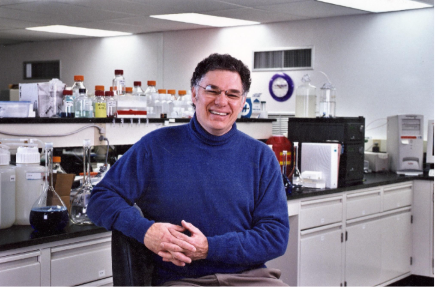
Peter: I characterise myself primarily as a builder. I build things. That comes from my engineering background. Obviously, I build products, but I also build teams, financing syndicates, markets, clinical trial strategies, and all the structures that surround a business.
Outside of my professional life, I still like to build. Over the years, I’ve renovated six houses, and I’ve just finished building what I hope will be our forever home. I build wooden furniture as well. I’m also a pilot, a commercial pilot, and for many years I taught people how to fly, although I haven’t done that for a few years.
I enjoy gardening, particularly growing food. At our new house, we planted an orchard along with a fairly large vegetable garden. It would be nice to become fully self-sufficient someday. We’re not there yet, but perhaps we will be.
So fundamentally, I just enjoy building things. Beyond that, we spend a great deal of time with family. I have ten grandchildren scattered around the world, so making time for family is very important to me as well.
Conclusion
Peter Crosby’s career reflects the intersection of engineering innovation, entrepreneurial resilience, and a commitment to improving patient outcomes. Across decades of leadership in the medical device industry, he has helped develop technologies that transformed hearing restoration, cardiac care, diagnostic testing, and chronic pain treatment, while also guiding companies through the realities of commercialization, regulation, and growth. Whether discussing leadership, entrepreneurship, or life beyond work, Crosby consistently returns to the mindset of a builder- someone focused on solving problems, creating opportunities, and leaving a lasting impact. His journey offers valuable insight for aspiring entrepreneurs, engineers, healthcare professionals, and anyone interested in the future of medical innovation.
Do you have a personal or professional story that can inspire other people into becoming the best version of themselves?
You are welcome to share your journey with our audience.