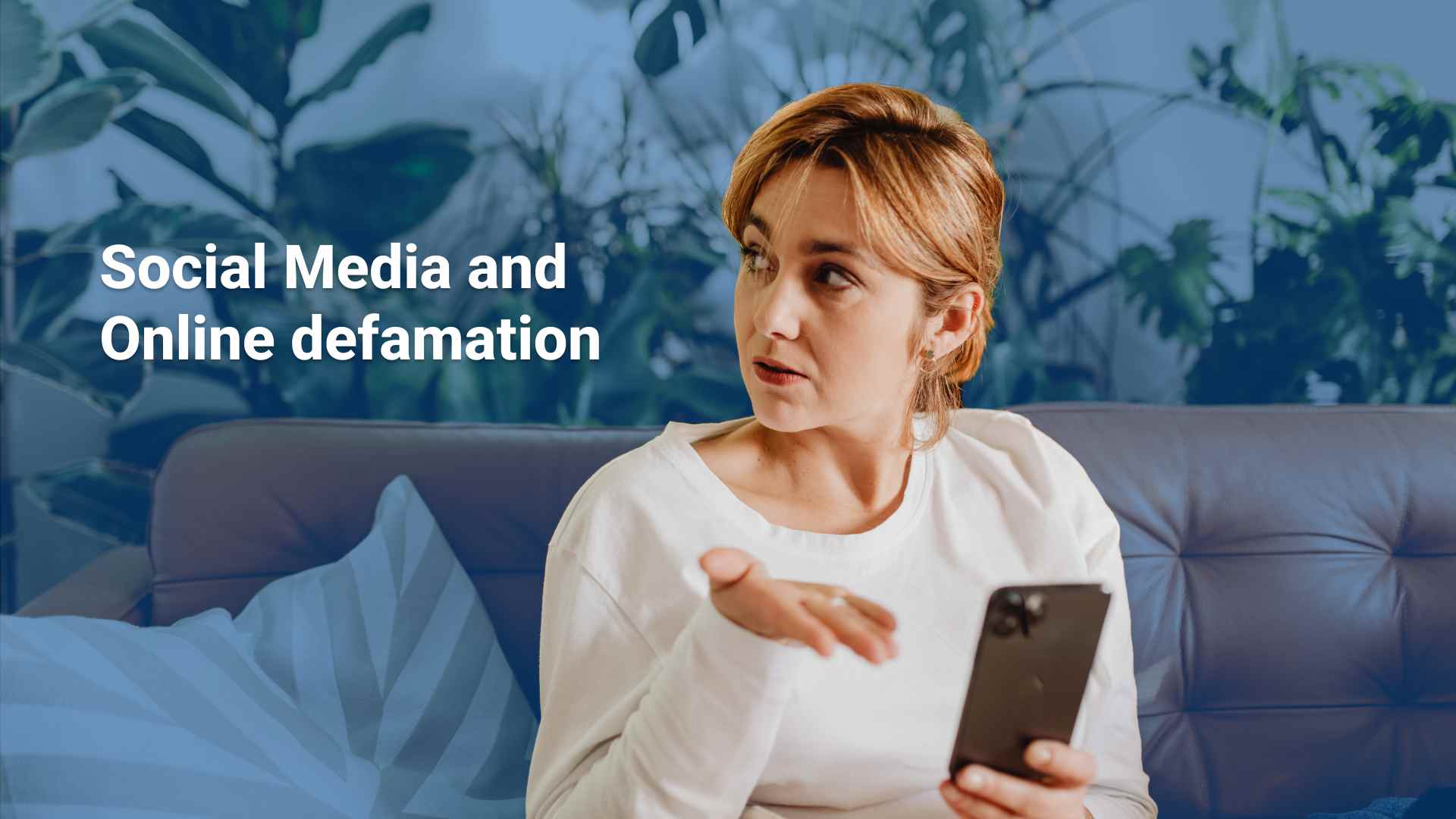
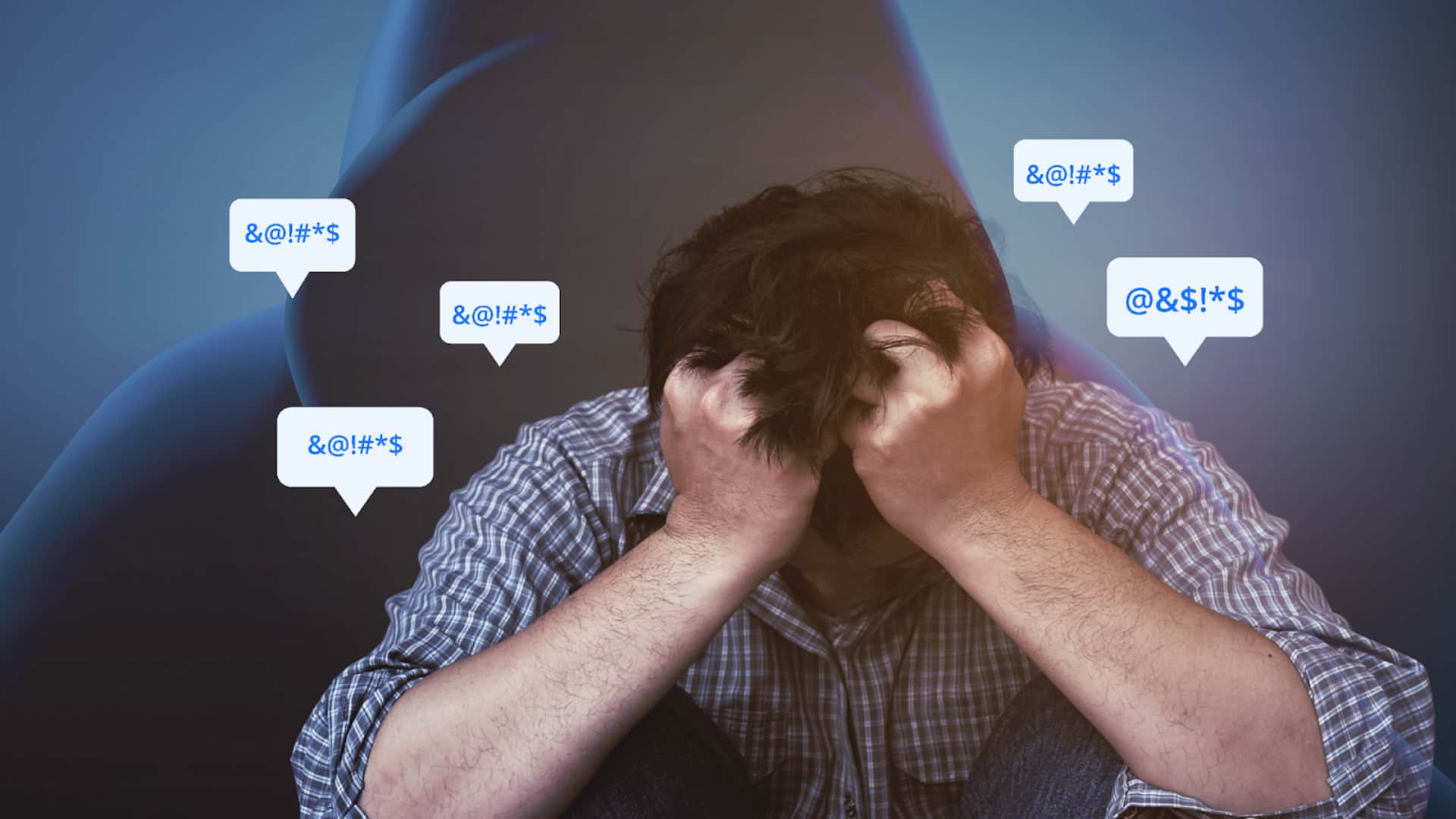
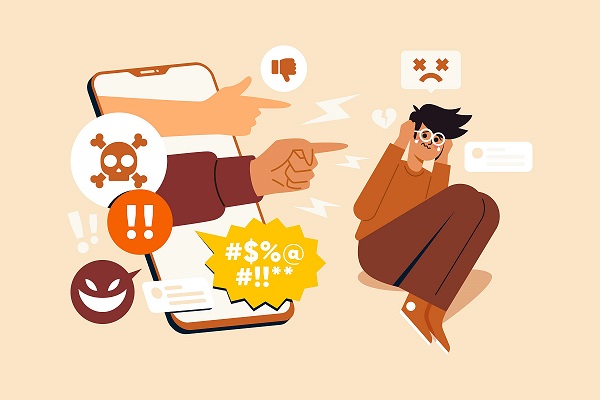
Social media defamation occurs when someone publishes a false statement of fact on a social media platform that harms another person’s or business’s reputation. Unlike private conversations, posts on platforms such as Facebook, Instagram, X, TikTok, LinkedIn, Reddit, and YouTube can spread to thousands or even millions of users within minutes, increasing both the visibility and potential damage of defamatory content.
Not every offensive or negative post qualifies as defamation. In most jurisdictions, a successful claim generally requires several elements:
- The statement is presented as fact rather than opinion.
- The statement is materially false.
- It is communicated to at least one other person.
- It identifies the person or business being discussed.
- It causes reputational, financial, or professional harm.
- The speaker acted with the required level of fault, which may be negligence for private individuals or actual malice for public figures.
For example, saying “I don’t like this restaurant” is typically protected opinion. Posting “This restaurant knowingly serves contaminated food” without evidence is a factual allegation that may expose the poster to liability if it is false.
Because social media content is searchable, shareable, and often archived, defamatory posts can continue damaging reputations long after they are published. Even deleted posts may remain accessible through screenshots, cached pages, or reposts, making early response and evidence preservation especially important.
Why Social Media Defamation Matters Today?
Social media defamation refers to harmful, false statements shared on public platforms damaging a person or business’s reputation. With over 70% of Americans active on platforms like Facebook, Reddit, and X (formerly Twitter), the scope of reputational risk has never been higher.
Learn more about how defamation implication ties into broader issues of online defamation and the laws that govern it. Healthcare professionals facing false online reviews or misleading social media claims should also explore our guide on medical defamation and Medical Defamation Cases.

Picture Credits: Freepik
What Counts as Defamation on Social Media?
To qualify as defamation, a post must meet specific legal standards. According to U.S. defamation law, you need to prove:
- False Statement: The claim isn’t just mean it’s objectively untrue.
- Publication: The content was shared online to a third party.
- Negligence or Malice: The poster either didn’t fact-check or acted maliciously.
- Harm: Your reputation, finances, or emotional health were damaged.
To see how this is proven step by step, visit our complete guide on how to prove defamation.

Picture Credits: Pexels
Where Social Media Defamation Commonly Happens?
Some of the most frequent locations for defamatory content include:
- Facebook Groups & Pages – Accusatory comments with high visibility
- Reddit Threads – Anonymity fuels false accusations
- X (formerly Twitter) – Rapid viral spread of lies
- YouTube & TikTok Comments – Attack personal branding
- LinkedIn Posts – Damaging for professional reputation
We’ve outlined real examples of platform-based defamation cases in a separate case study.
Common Forms of Defamatory Content Across Social Media Platforms
| Platform | Common Defamatory Content | Typical Risks |
|---|---|---|
| False accusations, neighborhood group rumors, community posts, fake reviews | Rapid sharing among local communities and searchable public posts | |
| False captions, edited images, Stories, Reels, impersonation accounts | Viral visual content, screenshots that persist after Stories expire | |
| X (formerly Twitter) | False allegations, quote posts, viral threads, misinformation | Fast amplification through reposts and trending topics |
| TikTok | Defamatory videos, false narratives, edited clips, stitched videos | High algorithmic reach and viral video distribution |
| False claims about professional misconduct, ethics violations, employment disputes | Significant impact on professional reputation and career opportunities | |
| Anonymous accusations, discussion threads, misleading claims, coordinated attacks | Anonymous users, indexed discussions, long-term search visibility |
While the format differs across platforms, the legal principles remain largely the same. A false statement of fact that is published to others and causes reputational harm may give rise to a defamation claim, regardless of whether it appears in a Facebook post, TikTok video, LinkedIn comment, Reddit thread, or X post. At the same time, each platform has its own moderation policies and reporting procedures, making it important to evaluate both legal remedies and platform-specific enforcement options.
Picture Credits: Pix4free
Examples of Social Media Defamation Cases
Real-world court decisions highlight how seriously the law treats false online statements:
- Doe v. Blogger: A fitness coach falsely accused of steroid abuse on Reddit. Awarded $100,000 for reputational harm.
- Local Business vs. Facebook User: False claims about health violations posted to a community group. Settled for $75,000 plus content takedown. Even after successful takedowns, businesses sometimes need to remove info from data brokers to address copies and references that persist elsewhere online.
You can explore more in our in-depth list of online defamation case studies.
Picture Credits: Freepik
We Value Reputation,
Let’s Rebuild Yours.
A High Reputation Comes With a Cost, Put Value on It.
Legal Defenses in a Social Media Defamation Case
If you’re defending yourself against such a claim, you may rely on these legal defenses:
- Truth: If it’s true, it’s not defamatory.
- Opinion: Pure opinion isn’t actionable.
- Consent: If the individual allowed the statement.
- Privilege: Statements in legal or government settings.
We discuss these defenses further in our guide on defamation law essentials.
Picture Credits: Freepik
Can You Sue Someone for Social Media Defamation?
Yes, you may be able to sue someone for social media defamation if their post satisfies the legal requirements established under applicable state law. Although the specific rules differ by jurisdiction, courts generally examine several key questions before allowing a defamation claim to proceed.
The court may consider whether:
- the statement was false rather than substantially true;
- it asserted a verifiable fact instead of a protected opinion;
- it was published to others through a social media platform;
- it identified the plaintiff;
- it caused measurable reputational or financial harm; and
- the defendant acted with the required degree of fault.
The legal standard also depends on who was allegedly defamed. Private individuals usually need to show that the speaker acted negligently when publishing the statement. Public officials and public figures generally must prove actual malice, meaning the speaker knew the statement was false or acted with reckless disregard for the truth.
Many victims also ask whether they can sue Facebook, Instagram, X, or another platform. In most situations, the answer is no. Under Section 230 of the Communications Decency Act, online platforms are generally protected from liability for content created by their users, although the individual author of the defamatory content may still be legally responsible.
When anonymous accounts are involved, attorneys sometimes begin with a “John Doe” lawsuit and seek court-authorized discovery to identify the individual responsible before continuing the case.
Because statutes of limitations, available damages, and procedural requirements vary by state, obtaining legal guidance early is often essential after discovering potentially defamatory social media content.
What To Do If You Are Defamed on Social Media
If you discover a defamatory post on social media, acting quickly can significantly improve both legal and reputation management outcomes. Avoid responding emotionally or engaging in a public argument, as additional comments may complicate later legal proceedings.
Instead, take these steps:
Document the content immediately. Capture screenshots showing the entire post, username, date, comments, engagement metrics, and URL. If the content includes videos or disappearing stories, preserve copies before they are removed.
Determine whether the statement is factual or opinion. False factual claims may support a defamation claim, while opinions, satire, and rhetorical exaggeration are often protected speech.
Report violations of platform policies. Many social media platforms prohibit harassment, impersonation, misinformation, and abusive content. Reporting the post may result in removal even if litigation is not pursued.
Consult an attorney when appropriate. An attorney can evaluate whether the statements satisfy the legal requirements for defamation, identify potential defendants, preserve evidence, and determine whether additional claims such as business disparagement, false light, or invasion of privacy may apply.
Protect your online reputation. Legal action and digital reputation management frequently work together. While legal remedies address the source of the false statements, reputation management helps reduce their long-term visibility by promoting accurate, authoritative content that better reflects your personal or professional reputation.
A coordinated strategy often resolves both the immediate harm and the ongoing impact that defamatory social media content can have on search results and public perception.
What Damages Can You Claim in Court?
Courts may award three types of damages in social media defamation:
- Special Damages – Documented financial loss
- General Damages – Harm to reputation, stress
- Punitive Damages – When malice is proven
To understand how payouts are calculated, read our guide on defamation damages.
Section 230 Explained
Many people assume they can sue Facebook, Instagram, X, TikTok, Reddit, or LinkedIn for defamatory posts published by other users. In most situations, that is not how U.S. law works.
Section 230 of the Communications Decency Act generally protects online platforms from liability for content created by third-party users. This means social media companies are usually not legally responsible simply because someone posted defamatory content on their platform.
However, Section 230 does not protect the person who actually created or published the defamatory statement. The original author may still be liable if the post satisfies the legal elements of defamation.
Although platforms are generally immune from liability, they often have community standards prohibiting:
- Harassment
- Impersonation
- Doxxing
- Non-consensual intimate imagery
- Fraudulent or misleading content
- Hate speech
- Certain forms of abusive behavior
Reporting content under these policies may result in removal even when the platform cannot be held legally liable for the underlying statement.
Because Section 230 is frequently misunderstood, victims should distinguish between pursuing the individual responsible and requesting platform enforcement under community guidelines.
FAQs on Social Media Defamation
Can I sue for a tweet or post?
Yes, if it’s factually false, publicly visible, and has caused harm.
What if the post was deleted?
If you have screenshots or archives, it can still be actionable.
Are negative reviews considered defamation?
Only if they’re proven false and damaging.
Do social platforms get sued too?
Usually not, Section 230 of the Communications Decency Act protects them. Learn more in our post on legal remedies and platform liability.
Want to Strengthen Your Case?
We also provide expert support for cases involving emotional distress damages, which often accompany social media defamation.
Reach out to us to learn how to build a consistent brand that stands out, with expert marketing tips straight to your inbox.
Let us help you in becoming a better marketer. Contact us today!